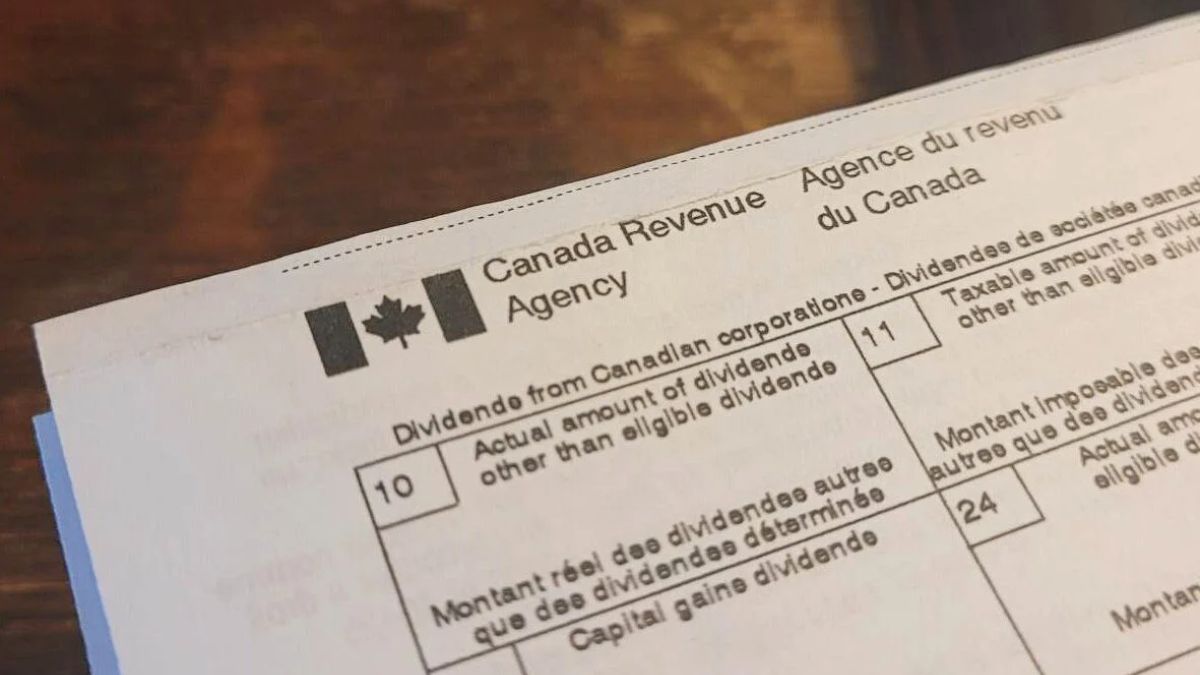

Canada’s tax authority has issued a major warning about crypto-related tax compliance. On December 7, the Canada Revenue Agency (CRA) confirmed that 40% of taxpayers using crypto platforms are either evading taxes or at high risk of not meeting their obligations.
With digital currencies growing in popularity, the CRA is now sounding the alarm about widespread underreporting and the challenge of catching offenders in a still largely unregulated space.
Findings

The CRA told the Canadian Press that it currently has 35 auditors assigned to its cryptoasset program, with more than 230 files under active review. These efforts have already generated over $100 million in recovered taxes over the last three years. But officials believe that’s just the tip of the iceberg.
The core issue? Tracking crypto users and assessing whether they’re reporting income properly is extremely difficult under Canada’s current laws. The agency admitted that there’s no reliable way to identify crypto taxpayers or fully assess their compliance. That gap leaves a lot of room for non-compliance—both intentional and unintentional.
Platforms
A key part of the CRA’s strategy has been pushing for greater cooperation from crypto platforms. One such case involves Dapper Labs, a Vancouver-based company best known for digital collectibles like NBA Top Shot.

Authorities originally sought data on the platform’s top 18,000 users, suspecting many of them might be underreporting crypto income. But after legal negotiations, the final number of user records handed over was reduced to just 2,500. Dapper Labs hasn’t denied the investigation but hasn’t fully complied either. It’s a clear example of the legal challenges the CRA faces when trying to enforce tax laws in the digital space.
Challenges
The CRA’s current roadblock is the lack of clear legislation around digital asset reporting. While traditional financial institutions are heavily regulated, the crypto world operates in a more decentralized, less transparent environment.
Because of this, the CRA finds itself relying on platform cooperation, and even then, the results are mixed. That’s why the government is now pushing for more robust tools to hold both platforms and users accountable.
Response

To close these loopholes, Canada’s Department of Finance has announced new legislation that’s expected to be introduced by spring 2026. The goal is to modernize the system and make it easier for authorities to detect and prevent tax evasion tied to digital assets.
In a statement, Finance Minister François-Philippe Champagne emphasized that as financial crimes evolve, so must Canada’s response. He highlighted efforts such as:
- A new Federal Anti-Fraud Strategy
- The creation of a Financial Crimes Agency
- Stronger action on economic abuse and financial exploitation
All of these moves signal a serious push to safeguard the country’s tax base and financial system.
Enforcement
In the meantime, Canada’s financial intelligence unit FINTRAC has been stepping up enforcement in the crypto space. Most notably, it recently fined Peken Global Ltd., a Seychelles-based company operating under the name KuCoin, a massive $19.5 million for failing to register as a foreign money services business in Canada.
This action underscores that crypto exchanges—especially foreign ones—are on FINTRAC’s radar. And more fines or investigations could be coming if platforms don’t align with Canadian regulations.
Outlook
The takeaway for crypto users in Canada is clear: the CRA is watching, and enforcement is only going to get stricter. While the agency admits it currently lacks the tools to catch everyone, the upcoming legal changes will likely give it far more power in the near future.
If you’re trading, holding, or earning through crypto, now is the time to ensure you’re reporting it properly. Crypto is not tax-free, and failure to report gains, losses, or income could lead to serious financial consequences—especially as audit efforts ramp up.
FAQs
What percentage of crypto users are flagged?
40% are flagged for tax evasion or high non-compliance risk.
How much tax has CRA recovered from crypto audits?
Over $100 million in the past three years.
Is Dapper Labs under investigation?
Yes, but only partial data was handed over to CRA.
When is new crypto tax law expected?
New legislation is set to be introduced by Spring 2026.
What happened with KuCoin in Canada?
FINTRAC fined it $19.5M for not registering as a money service.