
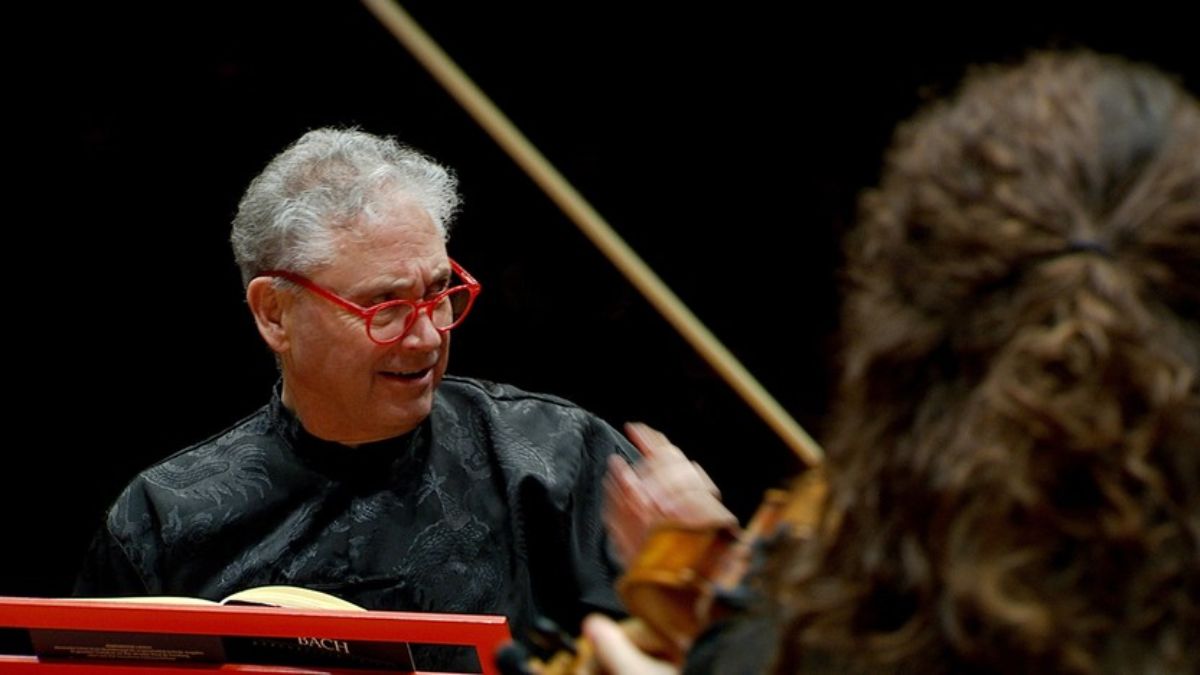
Trevor Pinnock’s recording of J.S. Bach’s Brandenburg Concertos with The English Concert didn’t just make waves — it became a benchmark. Released in the early 1980s, this landmark set helped usher in a new era of historically informed performance.
Using period instruments, sharp musical instincts, and a deep love for Bach, Pinnock created a version of these concertos that still feels fresh, lively, and revolutionary decades later.
So what made this recording so special? Let’s step behind the scenes.
Project
In the early 1980s, historical performance was gaining momentum, but it still wasn’t mainstream. Pinnock, already establishing himself as a leading figure in the early music revival, wanted to make a bold statement — and what better piece than Bach’s Brandenburg Concertos?
These six concertos are some of Bach’s most colorful and technically demanding works. They were written as a gift for the Margrave of Brandenburg in 1721 and showcased a wide variety of instruments and musical styles. Each one is different — and each one demands precision, balance, and flair.
Pinnock didn’t just want to play them. He wanted to record them as Bach might have imagined them.
Ensemble
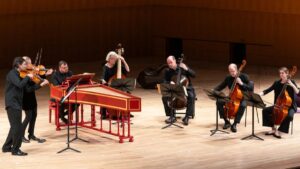
Pinnock gathered The English Concert — the period-instrument group he founded in 1972 — for the task. At that time, they were still building their reputation, but their skill and chemistry were undeniable. The musicians were trained in historical performance techniques and played on original or replica instruments from the Baroque era.
Gut strings, natural horns, wooden flutes, and the harpsichord weren’t just for effect. They shaped the sound in fundamental ways. Everything was lighter, more agile, and full of character — far removed from the heavy, romantic versions of the concertos that had been common for decades.
Interpretation
One of Pinnock’s strengths as a conductor is knowing when to lead and when to let the music breathe. In the Brandenburgs, he did just that.
The tempos were brisk but never rushed. The rhythms had bounce and life. The phrasing was clean, but never sterile. You could tell these musicians weren’t just playing notes — they were having a conversation, one full of wit, charm, and energy.
Each concerto was treated as its own universe. No. 2 sparkled with its bright trumpet fanfares. No. 3 danced with its interweaving string parts. No. 6 had a warm, mellow glow. Pinnock’s touch brought out each work’s unique personality.
Recording
The sessions took place in a space with acoustics that allowed the period instruments to shine. The recording engineers worked closely with the musicians to capture every nuance — from the delicate harpsichord trills to the bold trumpet lines.
There were no flashy edits or dramatic effects. The sound was honest and clear, just like the performances themselves. It was all about the music.
When the recordings were released, they quickly became a reference for other ensembles and a favorite among listeners. For many, it was the first time they heard these famous pieces performed with such historical detail and natural beauty.
Impact
Pinnock’s Brandenburg Concertos didn’t just impress critics — they influenced an entire generation of performers. Other orchestras began to explore historical performance. Music students started studying period techniques. And audiences realized that “authentic” didn’t mean boring — it meant exciting and alive.
The recording also proved that early music could have mainstream appeal. It was widely distributed, received glowing reviews, and became one of the best-selling period recordings of its time.
Legacy
Even today, Pinnock’s Brandenburgs remain a go-to version for those wanting to experience Bach’s genius in a vibrant, historically informed way. It’s not just a record — it’s a blueprint.
Musicians continue to study its phrasing, pacing, and ensemble work. And listeners keep coming back to its joyful energy and emotional depth. Decades later, it still feels like a fresh conversation with Bach.
Highlights from Pinnock’s Brandenburg Recordings
| Concerto No. | Notable Feature | Pinnock’s Interpretation Highlights |
|---|---|---|
| No. 1 | Hunting horns & festive mood | Bright, rustic, rhythmically crisp |
| No. 2 | Solo trumpet with fast lines | Brilliant articulation, balanced solos |
| No. 3 | Strings only, fast movements | Playful pacing, tight ensemble work |
| No. 4 | Violin & two recorders | Light textures, smooth blending |
| No. 5 | Harpsichord solo standout | Dazzling cadenza, elegant control |
| No. 6 | Viola-led, darker tones | Warm, mellow sound, subtle contrasts |
Trevor Pinnock’s recording of the Brandenburg Concertos isn’t just great — it’s historic. It redefined what period performance could be and gave us a fresh way to hear one of the greatest musical collections ever written. And most importantly, it reminded us that when played with passion and insight, even centuries-old music can feel brand new.
FAQs
When did Pinnock record the Brandenburgs?
In the early 1980s with The English Concert.
What made the recording special?
It used period instruments and historic techniques.
Which group performed with Pinnock?
The English Concert, a period-instrument ensemble.
Is this still a recommended version?
Yes, it’s considered a benchmark recording.
What’s unique about Concerto No. 5?
It features a standout harpsichord solo.