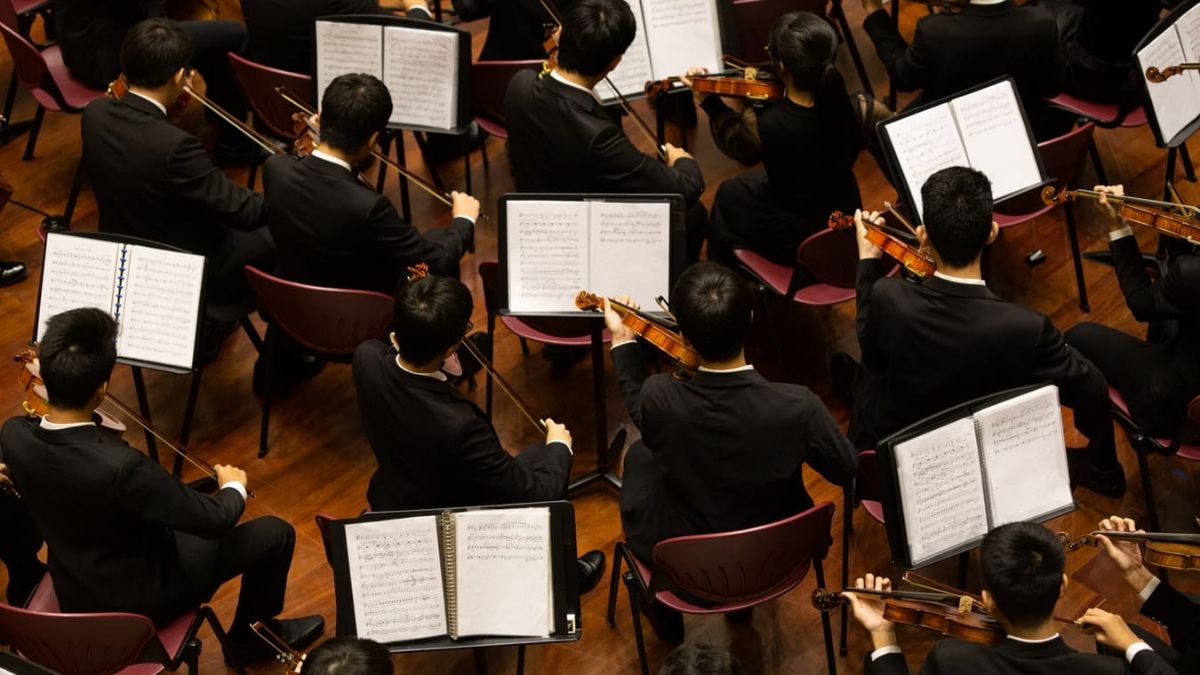
If you’ve ever been to a live Baroque concert and marveled at the energy, clarity, and authenticity of the music, you might wonder—how do they do it? What happens behind the scenes before the first note is played in front of an audience?
Unlike modern symphony orchestras, Baroque ensembles have a unique approach to preparing for concerts. From the choice of instruments to rehearsal methods and historical research, there’s a lot more going on than just playing the notes.
Let’s walk through the journey from score to stage and see how Baroque orchestras bring 17th- and 18th-century music to life today.
Planning
Every concert starts with careful planning. The artistic director or conductor—often also a harpsichordist or violinist in Baroque groups—chooses a program that fits the ensemble, the venue, and the occasion.
But it’s not as simple as picking a few popular pieces. Programming involves:
- Researching original manuscripts
- Studying historical performance practices
- Balancing known works with rare gems
- Deciding on the appropriate tuning and temperament
Once the music is chosen, parts are either created from scratch (based on original scores) or edited for modern readability, often preserving authentic notation and phrasing.
Instruments
Baroque orchestras use period instruments or modern replicas built to 17th- and 18th-century specs. This alone changes the entire sound and approach to performance.
Here are a few differences from modern orchestras:
| Modern Instrument | Baroque Equivalent |
|---|---|
| Modern Violin | Baroque Violin (gut strings) |
| Piano | Harpsichord |
| Modern Flute | Wooden Traverso |
| Valved Trumpet | Natural Trumpet (no valves) |
| Modern Bow | Shorter Baroque Bow |
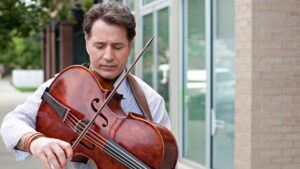
Most instruments are tuned to a lower pitch, usually A=415 Hz (instead of modern A=440 Hz), which gives a warmer, more blended sound. Tuning systems (temperaments) are also adjusted to reflect historical practices.
Rehearsals
Unlike large modern orchestras that might rehearse a full week or more, Baroque groups often rehearse intensively over a shorter time, especially if musicians are coming from different countries.
Rehearsals focus on:
- Articulation and phrasing
- Ornamentation choices (not written in the score!)
- Tempo and affect (emotional tone)
- Balance and blend between sections
- Continuo interpretation (how the bass line is realized)
Since Baroque music often leaves room for interpretation, rehearsals are highly collaborative. Musicians discuss and decide how to handle trills, suspensions, dynamics, and even improvisation.
Continuo
One of the defining features of Baroque music is the basso continuo—a harmonic foundation usually played by harpsichord, organ, lute, cello, or viola da gamba.
The continuo team doesn’t just play chords—they shape the harmonic and rhythmic backbone of the entire performance. Choosing how to realize the figures (musical shorthand for chords) requires both imagination and stylistic knowledge.
Each performance can sound different depending on how the continuo interprets the score. This is where historical style really comes alive.
Conductor?
Many Baroque orchestras don’t have a traditional conductor. Instead, the group is led by the concertmaster (usually a first violinist) or the harpsichordist, who gives cues, sets tempo, and shapes phrasing from within the ensemble.
This leads to a more chamber-like feel, with greater communication and flexibility. Everyone listens more closely, which creates an organic flow during performances.
Venue
Baroque music was often written for smaller churches, courts, or salons, so venue choice plays a big role in preparation.
A good venue will:
- Support natural acoustics (no amplification needed)
- Match the size of the ensemble
- Enhance the warm sound of gut strings and wooden winds
Musicians often adapt dynamics and tempo during rehearsal based on the space—how sound carries, where the audience sits, and how much echo there is.
Dress Rehearsal
Before showtime, there’s usually one final run-through—the dress rehearsal. This is when all the pieces come together:
- Final tuning and balancing
- Spot-checking tricky transitions
- Adjusting to acoustics with full ensemble
- Reconfirming ornamentation and cues
Sometimes it’s held in the actual concert venue, but if time is short, ensembles may do a mock run-through elsewhere before heading to the stage.
Performance
Finally, it’s time for the performance. Despite all the preparation, Baroque concerts often feel spontaneous—and that’s the point. Because so much of the music allows for freedom in tempo, dynamics, and ornamentation, no two concerts are ever exactly the same.
Musicians rely heavily on eye contact, body language, and breathing together, especially without a conductor. The result? A vibrant, living experience that connects modern audiences with centuries-old music.
Here’s a simplified breakdown of the whole process:
| Step | What Happens |
|---|---|
| Planning | Repertoire, instrument setup, score preparation |
| Instrumentation | Period instruments, tuning, historical tuning systems |
| Rehearsals | Phrasing, continuo work, style, interpretation |
| Dress Rehearsal | Final acoustic and balance check |
| Performance | Spontaneous, expressive, historically informed concert |
Baroque orchestras don’t just perform—they recreate history in real-time. And it’s that magical blend of scholarship, style, and passion that makes these concerts so thrilling to watch and hear.
FAQs
Do Baroque orchestras use conductors?
Usually not. Leaders like violinists or harpsichordists guide the group.
What’s basso continuo in Baroque music?
It’s the harmonic base, often played by harpsichord and cello.
Why are Baroque instruments tuned lower?
A=415 Hz creates a warmer sound closer to 18th-century pitch.
Are rehearsals different from modern orchestras?
Yes. Baroque rehearsals are more collaborative and interpretive.
Can Baroque performances sound different each time?
Absolutely—ornamentation and tempo often vary between concerts.