

Think early music is just dusty relics from the past? Think again. Whether it’s a haunting Purcell aria, a fiery Vivaldi concerto, or a meditative Bach fugue, 17th and 18th-century music still feels fresh, relevant, and shockingly modern. Even though it was composed centuries ago, early music looks into ideas and emotions that we still wrestle with today.
So, what makes early music feel so timeless? Why does something written in candle-lit courts and cathedrals still stir us in the age of AI and Spotify? Let’s cut into the reasons why early music remains powerfully modern—even in our fast-paced world.
Emotion
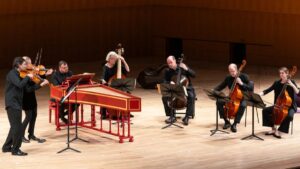
Baroque and early Classical composers were obsessed with emotion—what they called the “affections.” Every piece aimed to express a specific feeling: joy, sorrow, rage, love, or awe. These weren’t background emotions. They were front and center, often dialed up to the extreme.
Listen to a Handel aria, and you’ll feel the heartbreak before you even know what the words mean. Hear a piece by Monteverdi, and the tension is palpable. The goal was to move the listener, not just impress them.
That focus on raw feeling—on making you feel something—is exactly what we crave today. It’s why film scores borrow so heavily from early music techniques. Emotion never goes out of style.
Minimalism
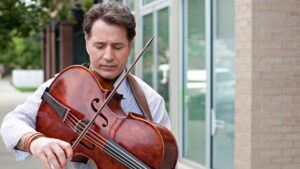
Many early pieces have a stripped-down aesthetic that echoes today’s minimalist trends. Think of a solo cello suite by Bach. No orchestra. No effects. Just one instrument, one voice, telling a story with the simplest tools.
Sound familiar? It’s the same reason people love acoustic versions, lo-fi beats, and unplugged sessions. There’s beauty in simplicity—and early music nailed it centuries ago.
Baroque composers knew that less can be more, and that letting silence and space speak is sometimes more powerful than filling every moment.
Improvisation
Surprise: early music wasn’t rigid. In fact, it was full of improvisation. Keyboard players would “realize” harmonies on the spot. Singers added ornaments freely. Soloists embellished phrases based on mood, audience, or even venue.
Compare that to today’s jazz or singer-songwriter culture. The idea of personalizing a performance? Total early music territory. Back then, performers were expected to be co-creators—not just followers of a fixed script.
So while modern pop thrives on remixes and reinterpretation, early music lived off it too. It’s more DIY than you think.
Humanity
Much of early music was composed with real human events in mind—grief, celebration, war, peace, worship, heartbreak. These weren’t abstract emotions; they were everyday experiences.
- Bach wrote music for funerals, baptisms, and weddings.
- Vivaldi composed for orphan girls he taught in Venice.
- Purcell wrote laments that still break hearts 300 years later.
What makes early music modern is that it speaks to the shared human experience. It doesn’t matter if you don’t speak Latin or know who wrote the libretto. You hear the music, and you get it.
Structure
Ironically, what seems old-fashioned—like fugues or dance suites—has a lot in common with modern formats.
- Fugues? Think complex counterpoint that’s like a musical algorithm—rules, loops, layering.
- Dance suites? They were basically the OG playlists, with different “tracks” designed for different moods.
Baroque composers were masters of musical architecture. In a world obsessed with playlists, structure, and flow, their work fits right in.
Cultural Fusion
We love musical mashups now—global sounds blending together. But that’s nothing new. Early music was already globalized:
- Spanish composers were influenced by Arabic and North African music.
- Italian styles traveled across Europe and merged with French elegance.
- English music borrowed from folk tunes and courtly dance.
Baroque music was the original remix culture, blending traditions to create something new—just like modern producers and artists do today.
Accessibility
Contrary to its reputation, early music can be incredibly accessible. A single line of melody and a bass? That’s basically a singer-songwriter setup. No electronics. No multi-tracking. Just pure music.
And today, historically informed performances have made this music even more relatable. Musicians play on period instruments, strip back the fluff, and let the music speak honestly. It’s raw. It’s real. And it’s emotionally direct.
Relevance
Finally, early music continues to resonate because the themes are eternal:
| Theme | Example in Early Music | Still Relevant Today? |
|---|---|---|
| Love & Loss | Monteverdi’s madrigals | 100% |
| Faith & Doubt | Bach’s sacred cantatas | Absolutely |
| Power & Politics | Handel’s royal anthems | Yep |
| Identity & Emotion | Purcell’s character-driven operas | Totally |
| Grief & Healing | Stabat Mater settings by Pergolesi, Vivaldi | No question |
Whether we’re dealing with a breakup or a global crisis, early music offers a kind of spiritual and emotional mirror—helping us process what we feel in sound.
Far from being frozen in time, early music is full of motion, meaning, and modernity. It’s music made by humans, for humans—and it still speaks to us in ways that are intimate, honest, and deeply moving.
So the next time you hear a Baroque violin or a harpsichord trill, don’t think of it as ancient. Think of it as timeless. Because great music doesn’t age. It adapts—and it connects us across centuries like nothing else can.
FAQs
Why does early music feel modern?
Its emotional honesty and minimalism resonate with today’s tastes.
Did early music involve improvisation?
Yes, performers often improvised ornaments and harmonies.
Is Baroque music similar to minimalism?
In some ways—it’s simple, structured, and emotionally clear.
Are themes in early music still relevant?
Absolutely—love, loss, faith, and identity never go out of style.
Can early music be enjoyed by beginners?
Yes! It’s emotional, accessible, and often very relatable.