
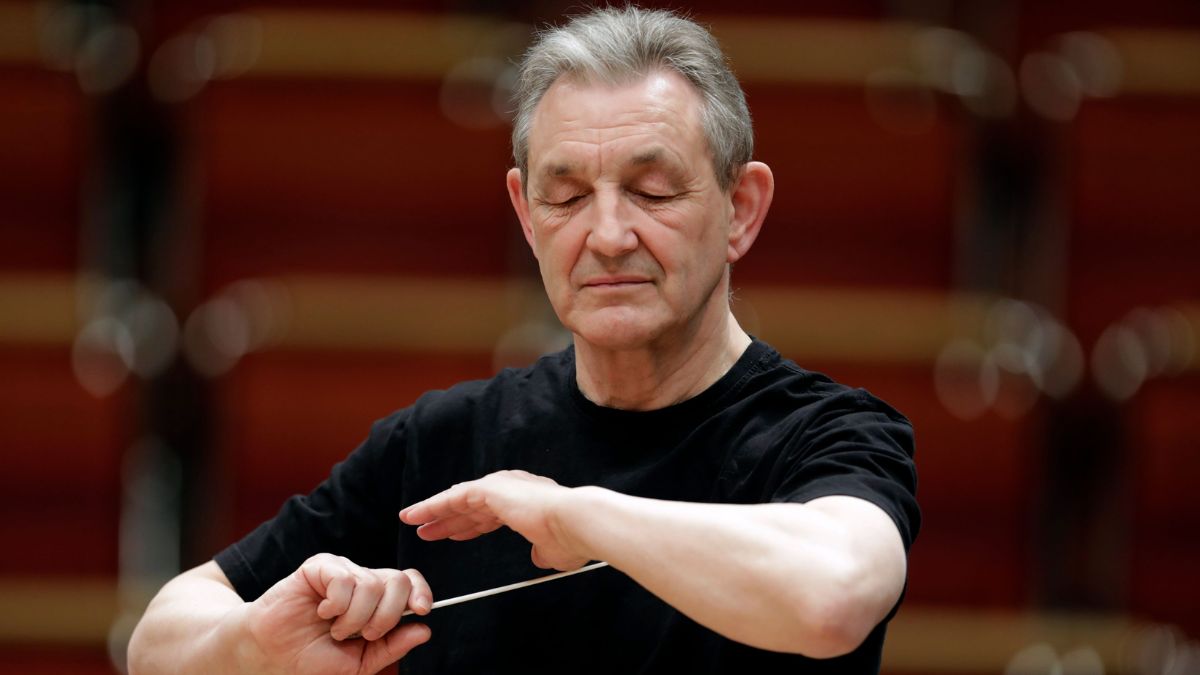
When it comes to Baroque music, rhythm isn’t just about timing — it’s about life. Trevor Pinnock, a giant in the historically informed performance movement, knows this better than most. His interpretations of Baroque dance rhythms breathe, move, and feel human. So, what sets Pinnock apart when it comes to capturing the pulse of this music?
Let’s break down how Trevor Pinnock brings rhythm and dance to life in his Baroque performances.
Pulse
At the heart of Pinnock’s Baroque style is a strong sense of pulse. Unlike rigid metronomic playing, his rhythms feel organic. He treats tempo not as a fixed rule but as a flexible guide. This gives the music room to breathe, like a heartbeat — steady but capable of subtle shifts.
You never get the sense that Pinnock is forcing the music. Instead, it flows naturally, with rhythmic energy that keeps your ear engaged and your foot tapping.
Dance
Baroque music is deeply rooted in dance. Whether it’s a courante, gigue, sarabande, or minuet, these forms weren’t just intellectual exercises — they were meant to move bodies. Pinnock gets this. He doesn’t just play the notes; he channels the character of the dance.
A gigue under his hands is lively and spirited. A sarabande becomes stately and reflective. His interpretation captures the essence of these forms, showing that Baroque music was never meant to sit still.
Articulation
One of Pinnock’s trademarks is his sharp, precise articulation. He uses phrasing, note length, and dynamic contrast to bring out the rhythmic structure of the music. That’s especially important in dance-based movements, where the rhythm needs to speak clearly.
Rather than smoothing everything over, he highlights differences between strong and weak beats. This gives the music a bounce and a swing that feels authentic. It’s not stiff or academic — it’s expressive and alive.
Rhetoric
In the Baroque era, music was often compared to speech. Composers thought of their works like persuasive arguments, full of pauses, emphasis, and gestures. Pinnock leans into this rhetorical style by shaping rhythms in a way that mirrors speech patterns.
He might stretch a beat slightly for dramatic effect or place emphasis on a downbeat to “say” something musically. This approach keeps listeners on their toes and brings out the theatrical side of Baroque rhythm.
Ornamentation
Ornamentation — trills, turns, mordents — is a big part of Baroque style, and Pinnock uses it rhythmically. He doesn’t add flourishes randomly. Instead, he places ornaments in ways that enhance the flow and drive of the music.
You’ll hear them in cadences and key phrases, timed perfectly to add sparkle without interrupting the beat. That balance between decoration and discipline is part of what makes his interpretations so compelling.
Ensemble
When conducting ensembles like The English Concert, Pinnock emphasizes collective rhythm. Everyone plays with the same sense of pulse, breathing together musically. The result? Tight, energetic performances where the rhythm doesn’t just hold the music together — it drives it forward.
Unlike modern orchestras that sometimes smooth over Baroque textures, Pinnock’s ensembles highlight contrast and movement. You can feel the rhythm in every section, from the strings to the continuo.
Repertoire
Pinnock’s rhythmic sensitivity shows up across a wide range of Baroque works:
| Composer | Work | Rhythmic Highlight |
|---|---|---|
| J.S. Bach | Brandenburg Concertos | Driving motor rhythms |
| Handel | Water Music | Lively, ceremonial dances |
| Vivaldi | The Four Seasons | Playful, descriptive rhythms |
| Rameau | Dance Suites | French elegance in motion |
In all these, Pinnock brings out the underlying dance energy, even when the music is performed in a concert hall rather than a ballroom.
Feel
Perhaps the best word to describe Pinnock’s rhythm is feel. He doesn’t treat rhythm as math. He treats it as movement — like walking, speaking, or dancing. There’s a human touch in his timing that makes even the most intricate pieces feel grounded and relatable.
This “feel-first” approach is why his performances connect with audiences of all kinds — not just Baroque purists.
Trevor Pinnock makes Baroque rhythm come alive. His sensitivity to dance, his flexible timing, and his rhetorical style turn every piece into something more than music — it becomes motion, speech, and emotion. That’s why his interpretations continue to resonate with listeners, decades after he first brought them to life.
FAQs
Why is rhythm key in Baroque music?
Rhythm gives Baroque music its dance-like, expressive feel.
How does Pinnock use articulation?
He uses crisp phrasing to highlight dance rhythms.
Does he change tempos?
Yes, he adjusts tempos naturally for musical flow.
What’s unique about his ensembles?
They play with unified rhythm and energy.
How does Pinnock handle ornamentation?
He times it to enhance rhythm without disturbing flow.