
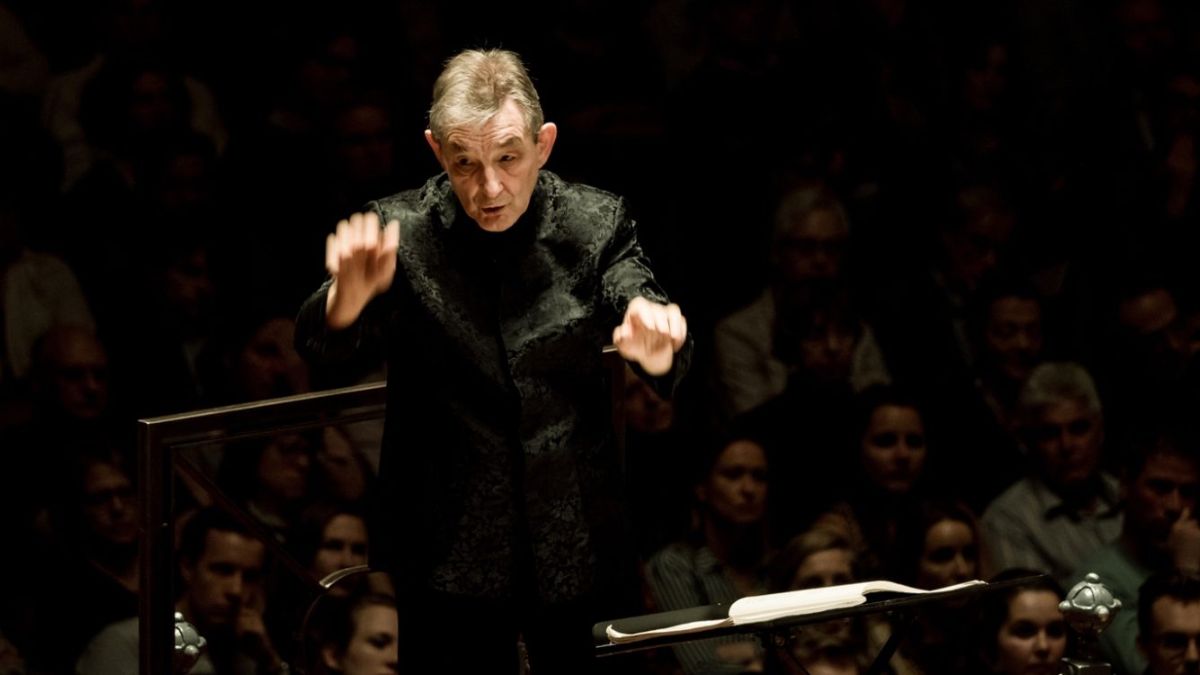
When it comes to Handel’s Messiah, there are countless recordings to choose from — grand, lush, stripped-down, choral-heavy, and everything in between. Yet Trevor Pinnock’s interpretation continues to hold a special place in the hearts of Baroque lovers and historically informed performance fans.
But what exactly does Pinnock bring to the table that makes his Messiah feel so alive, so vibrant, and so human?
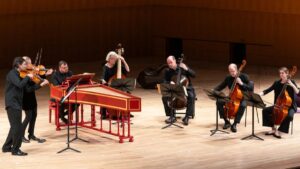
Let’s look into what sets his version apart and how he breathes new life into this timeless masterpiece.
Authenticity
One of the cornerstones of Pinnock’s interpretation is authenticity. He approaches Messiah not as a static monument, but as a living, breathing work from the Baroque era. That means original instruments, period-style singing, and orchestral forces closer to what Handel himself would have used.
By stripping away the thick romantic traditions that had built up over centuries, Pinnock gets us closer to the raw emotional core of the music. There’s no excess. Everything has purpose. It’s like cleaning a dusty painting and seeing the true colors underneath.
Clarity
If you’ve heard versions of Messiah where the chorus drowns out the orchestra, or the strings blur together in a wash of sound, Pinnock’s approach will feel like a revelation. His interpretation is all about clarity — every voice, every line, every note has space to speak.
Whether it’s the joyful bounce of “For unto us a child is born” or the intensity of “He was despised,” Pinnock ensures that textures remain transparent. The counterpoint is clean, the rhythms crisp. You hear the details, and those details bring Handel’s genius into focus.
Tempo
Pinnock’s tempos are often quicker than traditional versions, but they never feel rushed. Instead, they feel fresh — like a breeze blowing through a room. This pacing keeps the narrative moving and keeps the listener engaged, especially in the long stretches of recitatives and arias.
He treats the score with both respect and imagination. By embracing Handel’s flexible approach to tempo, Pinnock gives the music natural momentum without sacrificing expression.
Emotion
There’s a deep humanity in Pinnock’s Messiah. The emotions aren’t overblown or theatrical — they’re heartfelt and honest. When the alto sings “He was despised,” there’s genuine sorrow, not operatic drama. In “Hallelujah,” the joy feels collective and spiritual, not bombastic.
That balance between restraint and expression is key. Pinnock trusts the music to speak for itself. His role is to guide the performers, not to overshadow them.
Forces
Unlike large-scale 19th-century Messiahs with massive choirs and full symphony orchestras, Pinnock opts for modest forces. His choir and orchestra — often The English Concert and Choir — are lean but powerful. This setup allows for agility and intimacy, making every musical gesture feel more personal.
In doing so, he brings back the chamber-music-like dialogue between voices and instruments that was central to Baroque performance.
Ornamentation
Baroque performance isn’t complete without ornamentation — and Pinnock lets his soloists ornament tastefully. You’ll hear subtle flourishes in repeats, expressive bends in phrasing, and agile runs that feel like natural extensions of the melodic line.
These embellishments aren’t showy. They’re stylistic. They enhance rather than distract, giving the performance character while staying true to Handel’s style.
Highlight Moments
Here are some standout movements in Pinnock’s Messiah and how he treats them:
| Movement | Interpretation Style |
|---|---|
| “And the glory of the Lord” | Light, joyful, with buoyant rhythms |
| “He was despised” | Deeply emotional, yet restrained |
| “For unto us a child” | Energetic with crisp articulation |
| “Hallelujah” | Clear, triumphant without overstatement |
| “I know that my Redeemer” | Reflective, sung with spiritual warmth |
Each movement has its own voice under Pinnock, yet they all fit into a unified vision of the work.
Impact
Pinnock’s Messiah didn’t just entertain — it educated. It helped listeners hear Handel through the lens of the 18th century, not the 19th or 20th. His performance helped shift the standard for Messiah interpretations, showing that smaller forces, faster tempos, and historical style could reveal deeper truths in the music.
His version isn’t just a performance. It’s a statement — one that has influenced both musicians and audiences around the world.
Trevor Pinnock’s Messiah strips away the layers of time without losing the emotional weight of the music. His thoughtful, historically grounded interpretation connects us more directly to Handel’s intent — not through grandeur, but through honesty, clarity, and grace. It’s not the loudest Messiah you’ll hear, but it might just be the most moving.
FAQs
What makes Pinnock’s Messiah unique?
It’s historically informed, using original instruments and style.
Is the tempo faster in his version?
Yes, Pinnock uses brisk tempos that keep the energy alive.
Does he use a large choir?
No, he prefers smaller, agile forces for clarity and balance.
Are there ornaments in his Messiah?
Yes, soloists add tasteful Baroque ornamentation.
How emotional is his interpretation?
It’s deeply expressive without being overdramatic or theatrical.