
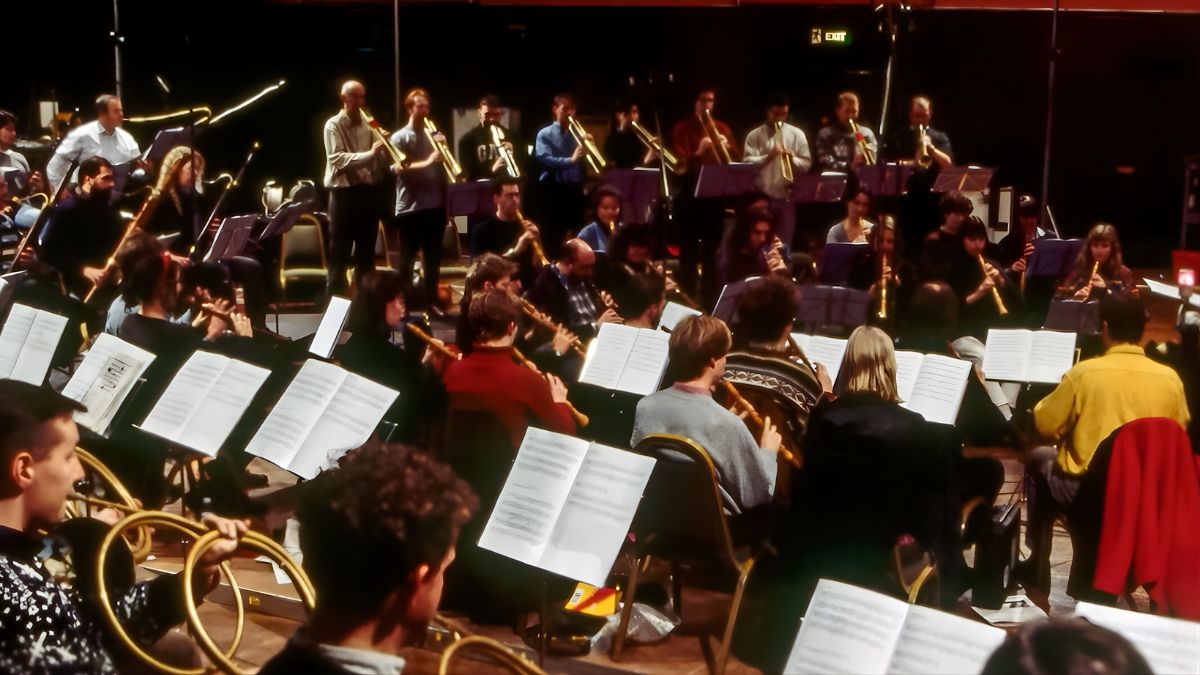
When you hear a polished Baroque performance by Trevor Pinnock and his ensembles, it’s easy to forget the chaos, charm, and countless cappuccinos that happen behind the scenes. Touring isn’t just about showing up and playing — it’s about living and breathing music on the move.
From overnight buses to late-night rehearsals and surprise applause in packed churches, life on the road with Pinnock is a blend of discipline, discovery, and a little bit of madness.
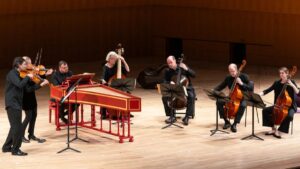
Let’s peek behind the curtain and explore what touring life really looks like with Trevor Pinnock and his musical family.
Routine
Touring with Pinnock may sound glamorous, but the reality is all about routine. Early mornings, long travel days, and tight schedules are the norm. Yet, Pinnock keeps things steady. He’s known for his calm, focused energy — never rushed, always prepared.
The day often begins with travel: a bus or train ride to the next venue. Then there’s the sound check, rehearsals to tweak tricky transitions, and a quick break before lights dim and music takes over. Repeat that across multiple countries in just a few weeks, and you’ve got a typical Pinnock tour.
Camaraderie
One of the standout features of touring with Pinnock is the atmosphere. He treats his musicians not just as colleagues, but as collaborators and equals. There’s mutual respect, shared laughter, and a sense of community that travels with the group.
Many of the players in The English Concert and other ensembles have worked with him for years, building a musical shorthand that makes even complicated pieces flow smoothly. Off-stage, you’ll often find the team gathered around a local café or pub, sharing stories and unwinding after a show.
Venues
From grand concert halls in Vienna to centuries-old churches in rural England, Pinnock’s tours are filled with diverse and sometimes quirky venues. He’s performed in places with jaw-dropping acoustics and others where heating was optional and tuning was a battle.
Some favorite stops? Wigmore Hall in London, Amsterdam’s Concertgebouw, and smaller Baroque churches where the music feels as though it was written for the very walls. These venues often shape the performance itself, pushing the musicians to adapt their dynamics and articulation to fit the space.
Rehearsals
Don’t think touring means slacking on rehearsal. Pinnock is meticulous — not in a stiff way, but in a deeply musical one. He often works on balance, phrasing, and articulation during pre-concert rehearsals, fine-tuning things right up until showtime.
What makes his style unique is how he lets the players explore while still guiding the overall shape. There’s a lot of “try it this way” and “let’s hear it again,” but never a lecture. It’s a dialogue, not a monologue.
Surprises
Every tour has its curveballs. Instruments getting lost at airports. A baroque oboe going out of tune mid-performance. One time, the power went out right before the final chorus of Messiah — and they finished in candlelight to a standing ovation.
These unpredictable moments don’t rattle Pinnock. If anything, he embraces them. He’s been known to lead with humor, shrug off delays, and remind everyone why they’re there in the first place — for the joy of live music.
Audiences
One of the best parts of touring is connecting with different audiences. Some cities bring packed concert halls with listeners who know every note. Others are newer to Baroque music but just as enthusiastic.
In Tokyo, audiences are famously silent and attentive. In Italy, the applause is thunderous and passionate. In rural towns, listeners often stay behind just to say thank you. Pinnock and his team thrive on that connection. It’s not just about performing — it’s about sharing.
Downtime
Touring isn’t all music. There’s a surprising amount of waiting — in airports, hotels, backstage rooms. Pinnock and his musicians use this time to rest, explore local sites, or (most often) catch up on scores.
Sometimes, the group will take a few hours to visit a museum or enjoy local food. These quiet moments help recharge the energy for the next performance — and they often become some of the most memorable parts of the trip.
Here’s a look at the rhythm of a typical tour day:
| Time | Activity |
|---|---|
| 8:00 AM | Travel to next city |
| 12:00 PM | Arrival and check-in |
| 2:00 PM | Sound check and rehearsal |
| 5:00 PM | Meal break |
| 7:30 PM | Concert begins |
| 10:00 PM | Post-show chat or local dinner |
Legacy
Touring with Trevor Pinnock isn’t just a job — it’s a shared mission to keep early music alive and thrilling. His ensembles have helped reshape how we hear composers like Bach, Handel, and Vivaldi. And every stop on the tour is another chance to inspire, educate, and connect.
The stories from the road — the laughter, the exhaustion, the standing ovations — are more than memories. They’re part of a living tradition that Pinnock continues to lead with integrity and joy.
FAQs
Does Pinnock travel with the same group?
Yes, many of his musicians are long-time collaborators.
Are venues always concert halls?
No, they range from halls to historic churches.
Is every show rehearsed?
Yes, each performance includes a dedicated rehearsal.
How does he handle tour stress?
With calm focus, humor, and flexibility.
Do they play the same music every night?
Setlists often vary by location and program theme.