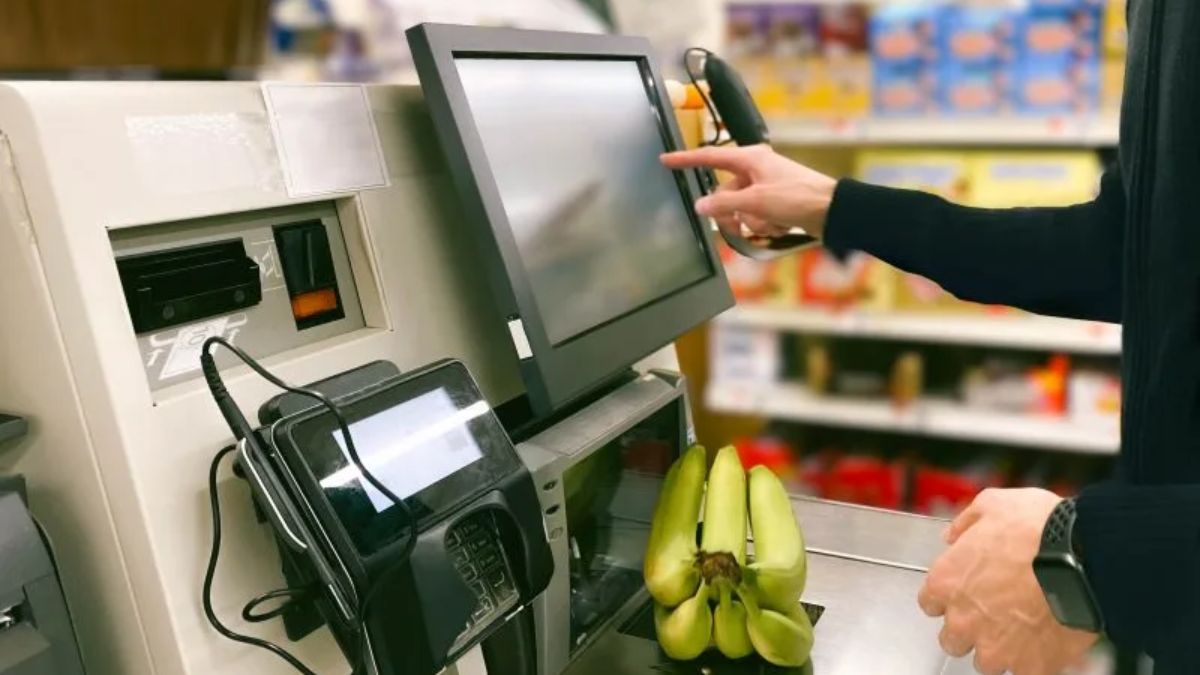
Illinois shoppers, take note: starting January 1, 2026, the state will officially repeal its 1% grocery tax. That means no more state sales tax on most food items purchased for home consumption. But before you get too excited, there’s a catch—many cities and counties in northern Illinois have decided to keep their own 1% grocery taxes in place.
So depending on where you shop, you may see no difference at checkout.
Let’s break down who benefits, who doesn’t, and why this matters to your wallet.
Repeal
Governor J.B. Pritzker signed the grocery tax repeal into law as part of a broader tax relief package, aiming to help families deal with rising food costs and inflation. The repeal covers most staple grocery items, including:
- Fresh fruits and vegetables
- Milk, eggs, meat, bread
- Packaged foods for home preparation
However, alcohol, candy, soft drinks, and prepared meals are excluded and will still be taxed.
The change means that shoppers across Illinois would save $1 for every $100 spent on eligible groceries. It might not seem like much, but over time, those dollars add up—especially for larger families.
Local Taxes
Here’s the twist: hundreds of municipalities and several counties have passed local grocery taxes, all set to take effect the same day the state tax ends.
Why? Local officials say it’s about protecting revenue for essential services—without raising property taxes.
Take Rockford, for example. By keeping its local grocery tax, the city estimates it will retain $9 million annually.
Alderman Kevin Frost said:
“The governor basically took it away from us. I don’t want to see an increase in property taxes, and this helps avoid that.”
Meanwhile, other cities like Belvidere have chosen not to impose a local tax, believing the savings should go to residents.
Mayor Clint Morris said:
“The city of Belvidere is going to do just fine without it. I think it’s the right thing to do.”
Affected Areas
Here’s a list of towns and counties in northern Illinois where the 1% local grocery tax will still apply:
| County | Municipalities with Grocery Tax |
|---|---|
| Winnebago | Rockford, Loves Park, Machesney Park, Rockton, South Beloit, Durand, Pecatonica, Stillman Valley, Winnebago |
| Boone | Capron |
| Ogle | Byron, Oregon |
| Stephenson | Freeport |
| DeKalb | City of DeKalb, countywide tax approved |
| McHenry | Cary, Bull Valley, Marengo, Spring Grove, Wonder Lake |
| Lee | Amboy, Dixon |
| Whiteside | Albany, Sterling |
If you live in—or shop in—any of these areas, expect to continue paying 1% grocery tax even after the state’s repeal goes into effect.
Savings
For those outside the taxed zones, the change offers modest savings, but still a step in the right direction.
Here’s a quick example:
| Monthly Grocery Bill | Old Tax (1%) | Savings in 2026 |
|---|---|---|
| $400 | $4.00 | $48/year |
| $600 | $6.00 | $72/year |
| $800 | $8.00 | $96/year |
While this won’t be life-changing for most, every dollar matters—especially as food prices remain high in many parts of the country.
Retailers
For stores, the change means new reporting requirements. Retailers will need to:
- Remove the 1% state tax from qualifying grocery items
- Apply local tax where applicable
- Report taxes separately to the Illinois Department of Revenue
The state has published a full list of municipalities keeping the tax on its website so businesses and consumers can stay informed.
Bottom Line
If you’re in northern Illinois, you might want to check your zip code before celebrating the tax cut. The 1% savings will only apply in towns that opted out of the local tax.
Still, for many families across the state, this marks a small but welcome shift toward more affordable groceries.
FAQs
When does Illinois’ grocery tax end?
The 1% state grocery tax ends on January 1, 2026.
Will I still pay grocery tax in Rockford?
Yes, Rockford will keep its 1% local grocery tax in 2026.
What food items are excluded from the repeal?
Alcohol, candy, soft drinks, and prepared meals remain taxed.
Where can I find a list of taxed towns?
The Illinois Department of Revenue has posted it on their website.
Will retailers update systems?
Yes, stores must adjust tax reporting and collection starting Jan. 1.