
The European Union is on a mission to make roads safer and bring driving rules into the digital age. Following a recent vote in Strasbourg, all member states now have four years to roll out a revamped licensing system that includes digital driver’s licenses, stricter safety rules, and better enforcement across borders.
Why? Because last year, nearly 20,000 people died in road accidents across the EU — a number that’s far too high. Let’s break down what these new changes mean for you, whether you’re a new driver, a trucker, or just someone who hits the road regularly.
Digitization

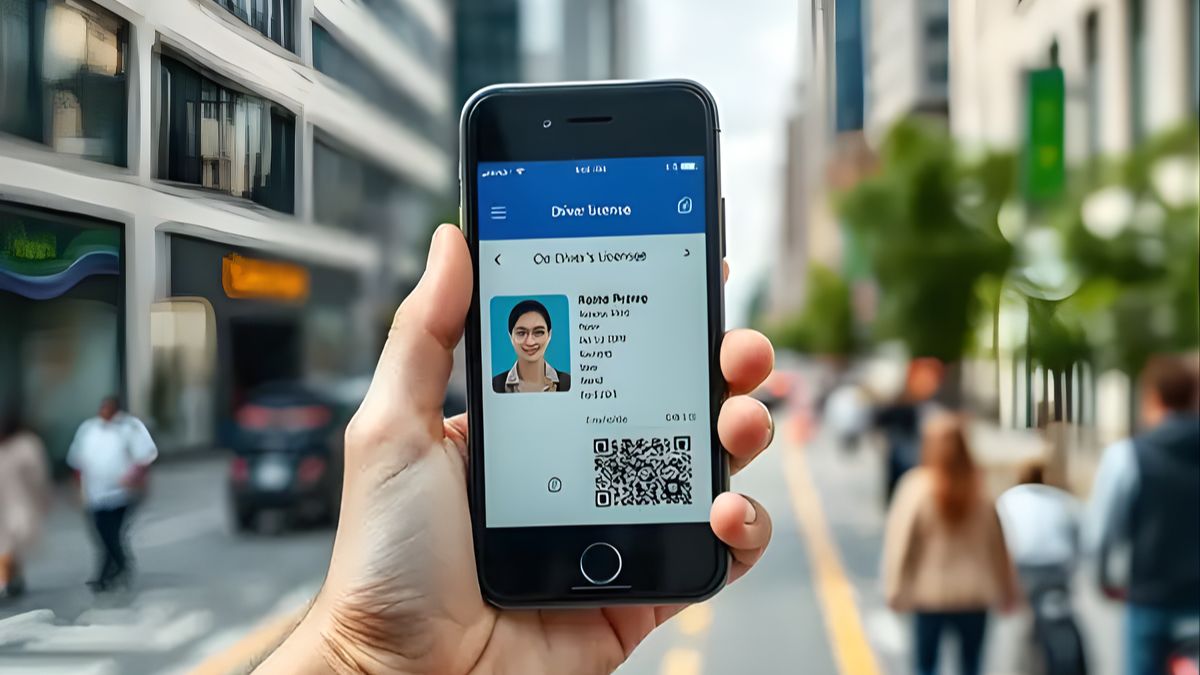
One of the most eye-catching reforms is the introduction of digital driver’s licenses. That’s right — soon, your license will live on your smartphone. Think mobile boarding pass, but for driving.
These digital licenses will become the standard, but don’t worry if you prefer the old-school plastic card. Physical licenses will still be available on request, especially useful if you’re traveling to non-EU countries that don’t accept digital versions.
What’s the catch? Not much, really. After a short transition period, every member state will begin issuing digital licenses by default. This shift is expected to streamline administration, reduce fraud, and make life easier for drivers across borders.
Safety

At the heart of this reform is road safety. The EU has a bold target: cut road deaths and serious injuries in half by 2030, and bring them as close to zero as possible by 2050.
So, how do they plan to get there? First, every new driver will go through a mandatory probationary period of at least two years. This means stricter monitoring and potentially tougher consequences if you mess up during this time.
And if you think driving offenses don’t follow you when you cross borders, think again. The EU is tightening its rules so that if your license is suspended in one country, you can’t just hop over to another and keep driving like nothing happened. That’s over.

Here’s a quick look at some of the new safety-focused rules:
| Safety Measure | What It Means |
|---|---|
| 2-Year Probation | New drivers monitored for serious infractions |
| Mutual Disqualification Recognition | Offenders punished across borders |
| New Test Content | Includes blind spots, phone use risks, door safety, and more |
| Digital Info Exchange | Countries share suspension and restriction data |
Training
Driving tests are also getting a much-needed refresh. In the age of advanced driver assistance systems and mobile distractions, the EU wants new drivers to know more than just the basics.
Expect to see test questions on:
- Blind spot dangers
- Proper use of driver assistance tools
- Risks of using phones while driving
- Safe ways to open car doors (to protect cyclists, for example)
These updates aim to ensure drivers aren’t just good at passing the test — they’re prepared for real-world situations.
Youth
Younger drivers, especially those eyeing a career behind the wheel, are getting a head start under the new rules. To tackle the shortage of professional drivers, the EU is lowering age requirements — but only for those who meet strict training standards.
Here’s how the new rules break down:
| License Type | Minimum Age (With Certificate) | Without Certificate |
|---|---|---|
| Truck (Category C) | 18 | 21 |
| Bus (Category D) | 21 | 24 |
This means more young people can start their careers earlier, provided they meet safety and training requirements.
Offenses
One of the major pain points in the past has been how driving offenses are handled when drivers move or travel across EU borders. Some people could get away with dangerous behavior just because they weren’t caught in their home country. Not anymore.
The new rules ensure that if you’re disqualified from driving in one EU country, you’ll be banned across the board. Member states will now be required to share data on:
- License seizures
- Suspensions
- Restrictions
This creates a Europe-wide safety net to catch repeat offenders and ensure accountability no matter where you’re driving.
The push to modernize Europe’s driving laws isn’t just about tech — it’s about lives. Nearly 20,000 road deaths in one year is a grim number, and the EU isn’t waiting around to act.
By embracing digital tools, smarter training, and stricter safety enforcement, these reforms aim to save lives and keep drivers accountable no matter where they go. Whether you’re a young trucker, a cautious commuter, or a digital-first road warrior, change is coming — and it’s rolling out fast.
FAQs
What is a digital driver’s license?
It’s a smartphone-based version of your physical driver’s license.
Can I still get a physical license?
Yes, physical licenses are available on request in all EU states.
How long is the probation for new drivers?
It lasts a minimum of two years for all inexperienced drivers.
When can 18-year-olds drive trucks?
If they have a certificate, they can get a license at 18.
Are driving bans valid across countries?
Yes, bans now apply EU-wide, not just in your home country.