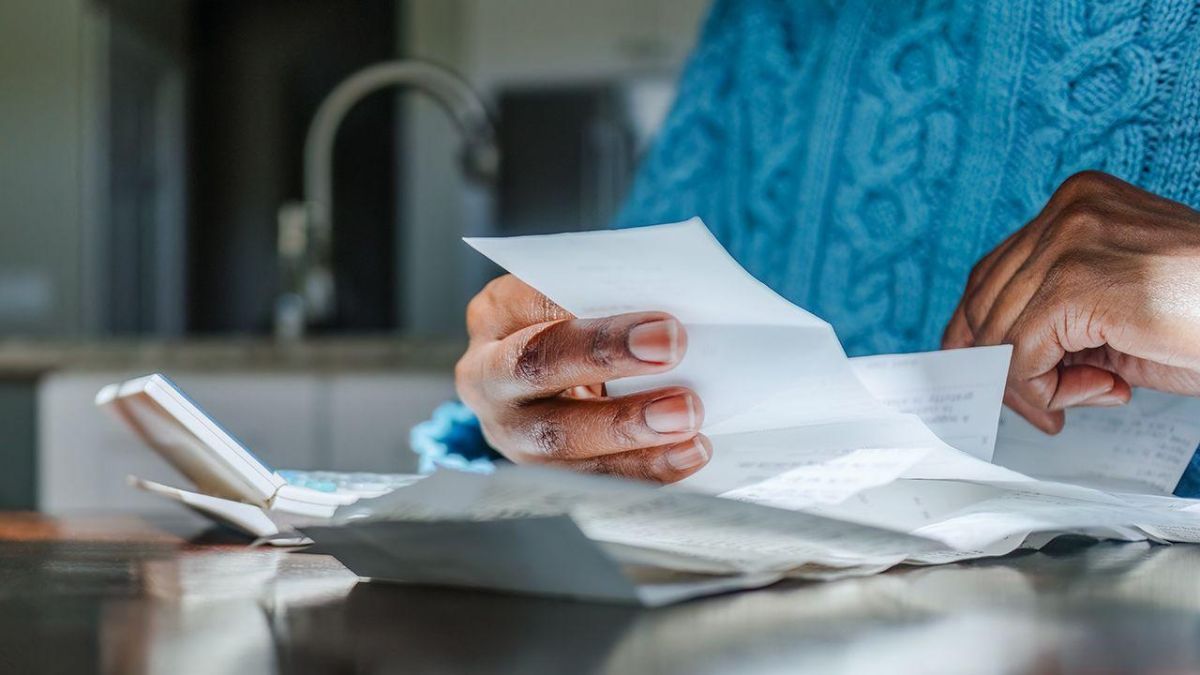
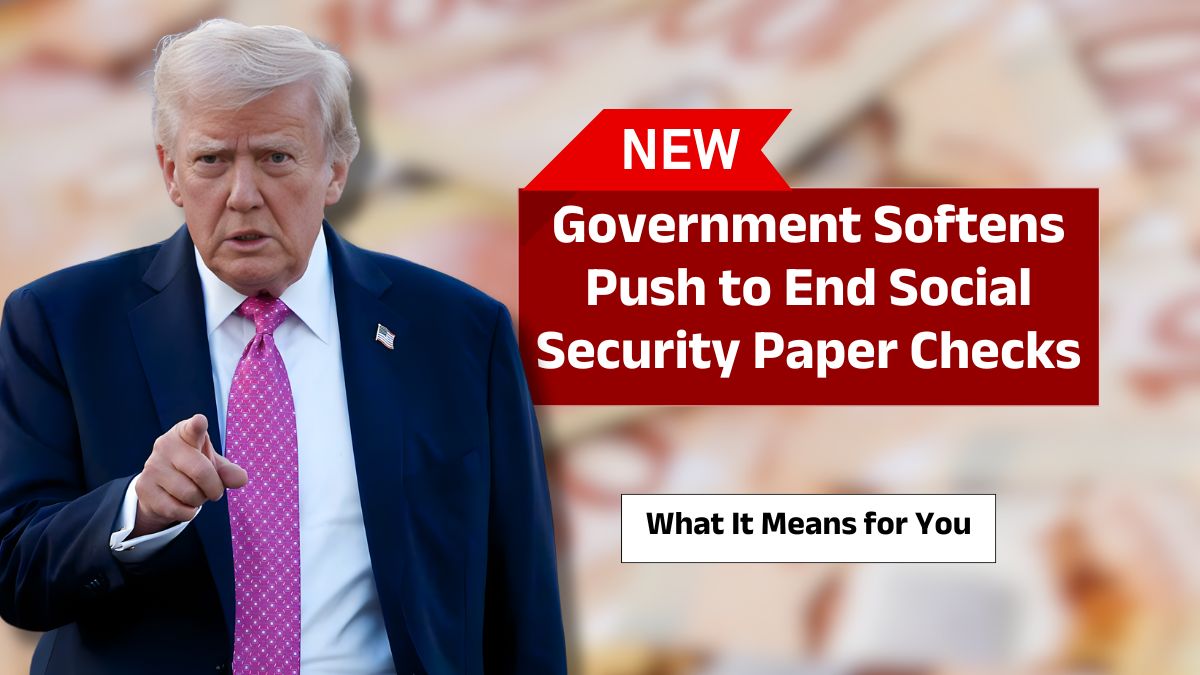
The U.S. government’s plan to end paper checks for Social Security and other federal benefits has been anything but simple. What began as a firm deadline is now turning into a more gradual rollout. After months of pressure to go digital, the government is easing off the gas pedal, offering more flexibility for Americans who still rely on traditional checks.
So, what’s changed—and what should you do if you’re one of the millions who still receive paper checks?
Shift

Let’s start with why this is happening in the first place. The government has a clear goal: modernize the way federal benefits are paid. Moving from paper to digital payments means faster delivery, lower costs, and tighter security.
Digital payments eliminate many risks—no more lost or stolen checks, no delays from the mail. According to the Treasury Department, paper checks are 16 times more likely to be lost or tampered with than direct deposits. Plus, electronic payments cost less to process. No envelopes, no stamps—just direct money transfers.
And here’s the kicker: 99.4% of recipients are already getting their benefits electronically. So, this move affects only a small group—but for them, it’s a big deal.
Deadline

Originally, the Treasury Department set a deadline: September 30, 2025. After that, paper checks would stop for most people. This move was part of the Modernizing Payments to and From America’s Bank Accounts law.
To prepare for this change, the government promoted two main options:
- Direct deposit into a regular bank account
- Direct Express® Card, a prepaid debit card for those without bank access
It was meant to be a hard stop—a final call to go digital.
Reversal

But something changed. In late September, the Social Security Administration (SSA) quietly changed its tune. They confirmed in a blog post that paper checks would still be available to people who can’t go digital.
That’s a major shift. Instead of cutting off paper payments completely, the government is allowing exceptions for those with valid reasons.
Who qualifies for these waivers?
- Seniors uncomfortable with technology
- Rural residents without access to banks or good internet
- People without smartphones or bank accounts
Government sources say the goal hasn’t changed—they still want more people to switch. But they also don’t want to punish those who genuinely can’t.
Impact
This update matters—a lot. For older Americans or people living in remote areas, paper checks offer peace of mind. The idea of losing that option overnight caused real worry.
Now, the message is clearer: if you’re unable to switch, you won’t lose your money. The process will be gradual, and there’s help available.
The softer approach shows the government is listening. Change is still coming—but at a pace people can actually handle.
Action
If you’re still receiving paper checks, here’s what you should do right now:
| Option | What to Do |
|---|---|
| Switch to Direct Deposit | If you have a bank account, contact SSA or use your online account to switch. |
| Apply for Direct Express® | This prepaid card is a safe option for those without a bank. |
| Request a Waiver | Contact the Treasury Payment Center to explain your situation. |
It’s better to act early than wait until the deadline creeps up. If you can make the switch, you’ll save yourself from delays and headaches down the line.
Balance
At the heart of this issue is a balancing act: progress vs. fairness. Yes, electronic payments are the future. But fairness means making sure no one gets left behind just because they don’t have the right phone or live near a bank.
The SSA’s relaxed approach shows that they get it. They’re not just cutting costs—they’re trying to do it without putting vulnerable people at risk.
Future
Even though the September 30, 2025 date still stands, it’s not a hard stop anymore. Expect more outreach and support instead of threats and deadlines.
The government is likely to:
- Run awareness campaigns
- Set up help desks at senior centers
- Partner with local banks to assist with setup
- Provide translators and accessibility help for non-English speakers
The message is this: if you can go digital, you should. If you can’t, the system will make room for you. It’s not a race—it’s a careful walk toward a safer, smarter way of handling federal benefits.
Bottom line? You won’t lose your Social Security check just because you prefer paper. But if you’re able to switch, it’s worth doing now—before the rush.
FAQs
Is the paper check deadline canceled?
No, but it’s now more flexible with exceptions allowed.
Can I still get a paper Social Security check?
Yes, if you qualify due to lack of access or special needs.
What is the Direct Express® Card?
A prepaid debit card for receiving federal benefit payments.
How do I request a paper check waiver?
Contact the Treasury’s payment center to explain your situation.
Why switch to digital payments?
They’re faster, safer, and reduce risk of lost or stolen checks.