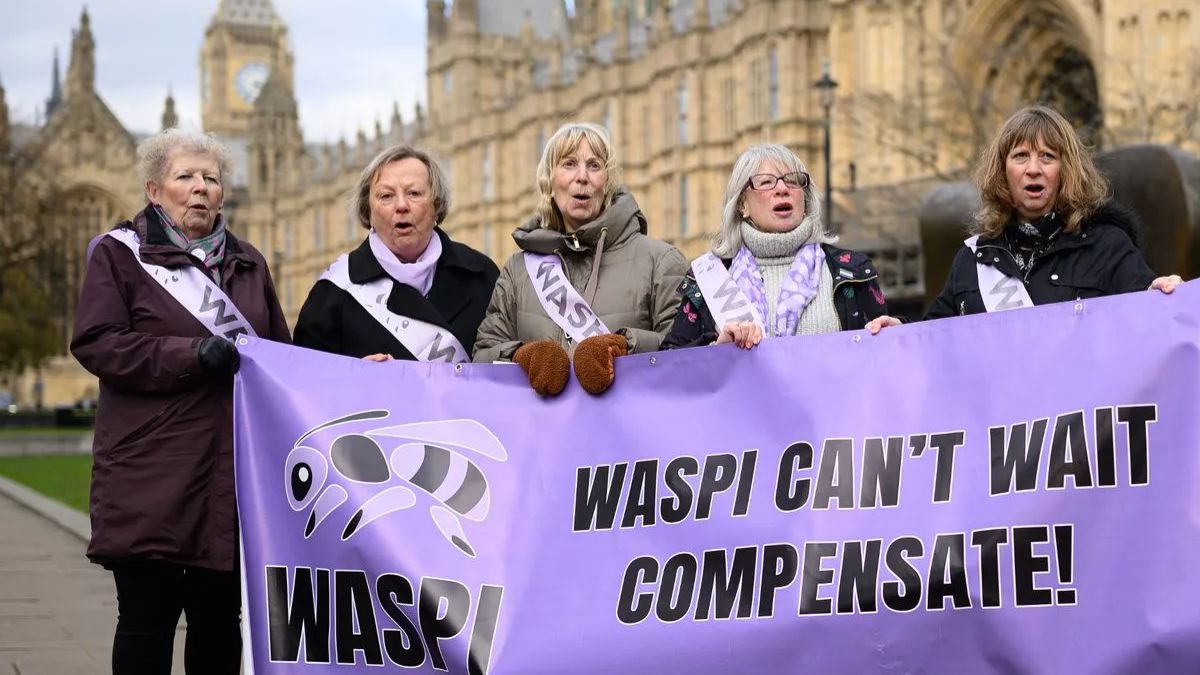
In a significant update for millions of women affected by changes to the state pension age, the Women Against State Pension Inequality (WASPI) campaign group has confirmed that a deal has been reached with the UK Government. This agreement puts a temporary pause on legal proceedings while ministers reconsider awarding compensation.
For nearly a decade, the WASPI campaign has fought for justice on behalf of around 3.8 million women born in the 1950s who saw their state pension age increase from 60 to 66 without sufficient notice. Many were left scrambling to rearrange their finances, retire later than planned, or face severe financial hardship.
Background

The issue dates back to a 2019 ruling, when women affected by state pension changes argued they were not properly informed of the adjustments. In some cases, they received no notice at all. Since then, the campaign has pushed for a formal apology and financial compensation for what it calls “a massive injustice.”
Last year, the Parliamentary and Health Service Ombudsman (PHSO) suggested that each woman could be entitled to compensation ranging from £1,000 to £2,950. But in December 2024, the government rejected any blanket compensation scheme, citing the £10.5 billion cost to taxpayers as unjustifiable—despite admitting maladministration.
Agreement
Now, following planned court hearings that were due on December 9 and 10, WASPI says these dates have been cancelled after the Government agreed to a new course of action.

Under the agreement:
- The Government has committed to reconsider compensation by February 24, 2025 (within 12 weeks).
- It will cover more than half of WASPI’s legal costs.
- The judicial review is paused, not cancelled—it can be reinstated if needed.
Angela Madden, chair of WASPI, said the group is cautiously optimistic but prepared to continue the fight if necessary. “Virtually at the steps of the court, the Government has backed down,” she said. “But WASPI stands ready to return to court if it yet again fails to do the right thing.”
Rediscovered Evidence
One major reason this latest deal was reached is the rediscovery of a 2007 DWP document. This internal evaluation revealed that officials had decided to stop sending automatic state pension forecast letters. Many women argue this lack of communication left them unprepared for the changes.

The finding strengthened the WASPI legal case by adding to the argument that the Government failed to provide adequate notice—causing real-life financial consequences.
DWP’s Response
The Department for Work and Pensions has disputed the WASPI group’s interpretation of the agreement, stating that the campaigners agreed to withdraw their judicial review following the Government’s commitment to reconsider the original decision.
A DWP spokesperson described WASPI’s public statements as a “mischaracterisation” but acknowledged the ongoing review process is now in motion.
What’s Next?
If the Government fails to offer fair compensation by the February deadline, WASPI is expected to revive the judicial review process. Until then, all eyes are on ministers to see whether they will follow through on their promise.
The outcome of this reassessment could mark a major turning point for the 3.8 million affected women—and may even set a precedent for how the Government handles future pension policy changes.
FAQs
Who are the WASPI women?
Women born in the 1950s affected by the state pension age rise.
What is the new deal about?
The government will reconsider compensation by February 2025.
Was the court case cancelled?
Yes, but it could resume if no compensation is offered.
How much is the suggested compensation?
Between £1,000 and £2,950 per person.
Why is WASPI campaigning?
Due to lack of notice about pension age changes.