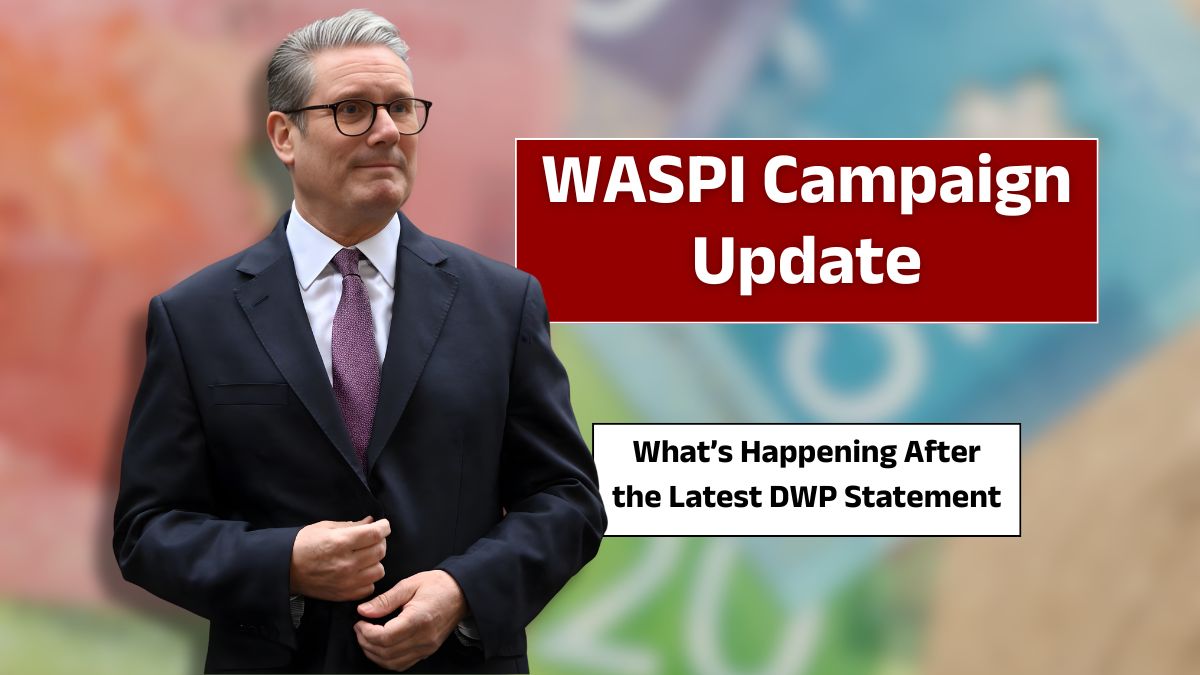
If you were born in the 1950s and affected by the increase in the state pension age, you’ve likely been following the WASPI campaign closely. The movement – Women Against State Pension Inequality – has been fighting for justice ever since the state pension age for women rose from 60 to 66 without what many felt was proper notice.
Now, with a new development from the Department for Work and Pensions (DWP), the campaign is once again making headlines. Here’s everything you need to know about the latest situation.
Background

The WASPI campaign started after a 2019 ruling highlighted how 3.8 million women were caught off guard when the government increased the state pension age. Many of them say they weren’t properly notified and made life plans based on outdated pension information – some even retired early, only to discover their pensions wouldn’t kick in for another six years.
Report
In 2023, the Parliamentary and Health Service Ombudsman (PHSO) weighed in. Their findings supported WASPI’s claims, stating that the DWP had committed maladministration. They even suggested compensation in the range of £1,000 to £2,950 for each of the women affected. That could mean billions in total payouts – up to £10.5 billion – if the government were to follow through.
But here’s where it got tricky. In December 2024, the government acknowledged the ombudsman’s findings and apologised for the delay in writing to affected women. However, they also said a blanket compensation scheme simply wasn’t affordable or justified, leading to widespread backlash.
Documents

Campaigners have continued their push. A major turning point came recently when a 2007 DWP document resurfaced during legal proceedings. This internal evaluation revealed the DWP had actually stopped sending out automatic pension forecasts to women, possibly contributing to the confusion and lack of awareness about the pension age changes.
This finding became a central argument for WASPI, who say that women had no way of knowing about the changes and made financial plans based on wrong assumptions – not by choice, but by lack of information.
Court
Originally, the WASPI campaign was preparing to take the matter to court, with a judicial review scheduled for December 9 or 10. But just before that could happen, a major development occurred: the government agreed to reconsider its compensation decision.

With that move, the court date was postponed, and WASPI withdrew its legal challenge – for now. According to Angela Madden, chairwoman of WASPI, the decision to pause was based on the government’s willingness to re-examine the issue. She made it clear, though, that this wasn’t a retreat.
Her words were clear and defiant: if the government fails again, WASPI is ready to return to court.
Statement
In response, the DWP issued a firm statement. They claimed the media had mischaracterised the situation. According to them, WASPI’s withdrawal of the judicial review was voluntary, in light of the government’s commitment to retake the decision regarding compensation. They also said the process of making this new decision would begin “as soon as possible.”
So while the court battle may be paused, the issue is far from over. The pressure on the government continues to mount, and eyes are on what their next move will be.
Future
So, what happens next? Well, that depends entirely on the government’s reconsideration of compensation for the 1950s-born women. If they propose a fairer solution that acknowledges the injustice and offers meaningful support, WASPI might consider it a win. But if the government once again decides to reject compensation or offer only a symbolic gesture, it’s likely the campaign will reignite its legal efforts.
Until then, WASPI supporters remain watchful, hopeful, and ready to act. And with millions of women affected, this campaign is far from fading into the background. It’s a fight for recognition, for justice, and for financial fairness – one that could shape how future generations are treated when it comes to major policy changes.
FAQs
What is the WASPI campaign about?
It fights for fair treatment of 1950s-born women affected by pension age changes.
How much compensation is suggested?
Between £1,000 and £2,950 per affected woman.
Did the government accept the findings?
Yes, they accepted maladministration but not a full compensation plan.
Why was the court case paused?
The government agreed to reconsider its decision, so WASPI paused action.
Will the campaign go back to court?
Yes, if the government fails to offer a fair solution.