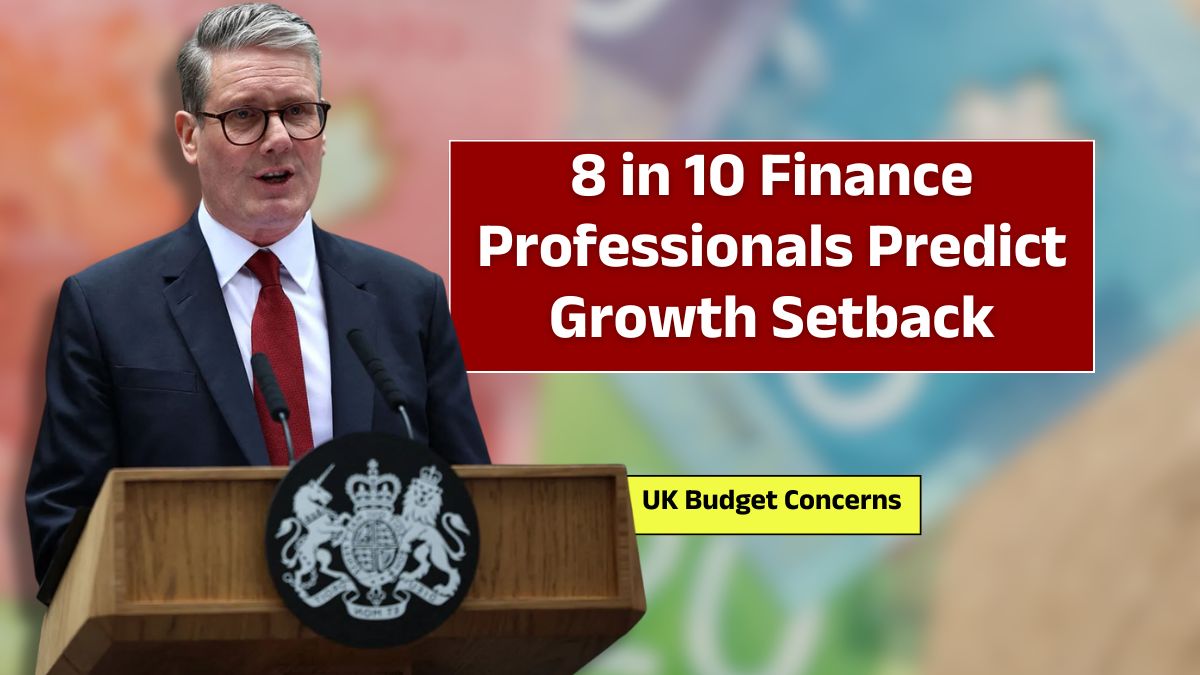
The UK’s latest Budget is facing strong criticism from financial experts, with a recent survey revealing that eight in ten finance professionals believe it will hurt the country’s economic growth. The Association of Chartered Certified Accountants (ACCA) gathered insights from those working closely with small and medium-sized businesses — and the response was overwhelmingly negative.
Impact
According to the ACCA’s survey, 80% of finance professionals said the new Budget measures would have a “negative” or “very negative” impact on the UK’s economic performance. The concerns are rooted in fears about rising business costs, tax complexity, and uncertainty around long-term policy direction.
Investment

The Budget appears to have dampened business confidence. Nearly two-thirds (64%) of those surveyed said they are now less likely to invest in their businesses over the next year. These hesitations come despite calls from the government for the private sector to help fuel growth through innovation and expansion.
But with cost pressures mounting and little clarity on future policy, many business owners and finance teams are choosing caution over risk.
Hiring
The survey also revealed a sharp shift in recruitment plans. Around 66% of businesses are now less likely to hire new staff, citing recent increases in the national minimum wage and frozen tax thresholds as key reasons.
The squeeze is being felt most by SMEs, which already operate on tighter margins. These firms say the changes are making it harder to budget, retain staff, or scale operations.
Complexity
Another recurring complaint is the growing complexity of the UK tax system. Rather than offering clarity and simplification, many believe the Budget added further confusion through piecemeal changes and temporary measures.
Gemma Gathercole, ACCA’s strategic engagement lead for England, argued that this approach is doing more harm than good.

“This Budget should have been the opportunity to create a clear message for the country,” she said. “Instead, we have seen more tax complexity through continued tweaks, rising wage costs, and greater regulatory burdens.”
Consequences
The result? A climate of economic hesitation.
Gathercole added that the combination of factors — including frozen tax thresholds, new National Insurance charges, and increased dividend taxes — is “destroying incentives to work, train, or invest.”
She warned that businesses are now actively considering downsizing, layoffs, or even relocating operations overseas to escape the growing financial pressure.
ACCA’s Call
In response, the ACCA is urging the UK government to rethink its economic strategy. Rather than relying on short-term fixes or patchwork policies, the organisation wants a long-term, stable plan that focuses on encouraging private sector investment and restoring business confidence.
Stability, according to the ACCA, is the key to unlocking sustainable growth.
The organisation recently teamed up with the UK Parliamentary Knowledge Foundation to help inform Members of Parliament on how public and private sector operations intersect — a move aimed at improving policymaking through education and real-world insights.
Outlook
This isn’t the first time a UK Budget has drawn criticism, but the message from the financial community is loud and clear: the current direction is discouraging investment, slowing hiring, and hurting long-term growth.
Unless the government can reverse course and provide clearer, more stable guidance, many businesses may start looking elsewhere to grow.
FAQs
What percent of finance experts see growth risk?
80% believe the Budget will negatively affect UK growth.
Will businesses invest less after the Budget?
Yes, 64% say they are less likely to invest next year.
Is recruitment expected to drop?
Yes, 66% are less likely to hire due to rising costs.
Why is the Budget seen as complex?
Experts cite constant tax tweaks and unclear direction.
What does ACCA want from the government?
A long-term, stable economic policy to support growth.