Getting into Baroque music for the first time can feel a bit overwhelming. With hundreds of composers, strange instrument names, and music that sounds centuries old — where do you even begin? The good news is, Baroque music isn’t just for scholars or classical experts. It’s powerful, emotional, and surprisingly easy to enjoy once you know what to listen for.
So if you’re curious but not sure where to start, this guide is for you.
Basics
Baroque music was written between 1600 and 1750 — long before Beethoven and Mozart came onto the scene. This was a time of dramatic expression, detailed ornamentation, and a brand-new focus on contrast and emotion in music.
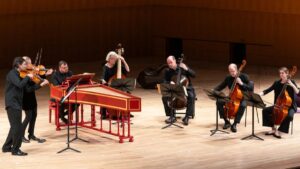
Think of Baroque music as the bridge between the Renaissance and the Classical era. It has the energy of a dance, the elegance of a painting, and the structure of architecture. You’ll hear harpsichords instead of pianos, violins with gut strings, and plenty of dramatic twists.
Some of the most famous Baroque composers include:
- Johann Sebastian Bach
- George Frideric Handel
- Antonio Vivaldi
- Henry Purcell
- Domenico Scarlatti
Sound
So what does Baroque music actually sound like? It’s lively, clear, and full of movement. You’ll often hear repeated patterns, contrasts between solo instruments and the full ensemble (called “concertos”), and layered melodies known as “counterpoint.”
Here are a few sounds and terms that pop up often:
- Harpsichord: A plucked keyboard instrument, like a cousin of the piano but lighter and more metallic.
- Fugue: A musical puzzle where melodies chase each other like echoes.
- Ornamentation: Decorative notes added to spice up a melody.
- Basso Continuo: A kind of musical backbone, played by harpsichord and cello, supporting the rest of the piece.
Don’t worry about memorizing these. Just keep your ears open for them.
Starter Pieces
Here’s a list of beginner-friendly Baroque pieces to start your journey. These are popular, powerful, and easy to love on the first listen.
| Composer | Piece | Why It’s Great |
|---|---|---|
| Bach | Brandenburg Concertos | Bright, energetic, and playful |
| Handel | Water Music | Majestic, fun, and familiar |
| Vivaldi | The Four Seasons | Full of vivid imagery and drama |
| Purcell | Dido’s Lament | Emotional and hauntingly beautiful |
| Pachelbel | Canon in D | Soothing and well-known |
Start with one or two pieces and listen with headphones in a quiet space. You’ll start noticing how each composer has their own style.
Instruments
Baroque music was written for different instruments than modern music. Learning about them helps you appreciate the sound more.
| Instrument | Description |
|---|---|
| Harpsichord | Keyboard with a plucked, metallic sound |
| Baroque Violin | Softer and warmer than today’s violin |
| Recorder | Not just for kids — used in serious music |
| Theorbo | A giant lute used for basso continuo |
| Natural Trumpet | Played without valves, pure sound |
These instruments give Baroque music its unique tone — earthy, raw, and expressive.
How to Listen
You don’t need to analyze anything or follow a score to enjoy Baroque music. Just listen for patterns. Notice when a melody repeats, when the music gets louder or softer, and when instruments take turns in the spotlight.
Here are some simple ways to get started:
- Pick one composer and listen to a few of their works over a week.
- Watch a live performance on YouTube to see the instruments in action.
- Follow playlists like “Baroque Essentials” or “Classical for Focus” on Spotify or Apple Music.
- Try a piece more than once — Baroque music often gets better on repeat listens.
Performers to Explore
Some modern performers make Baroque music super approachable and exciting. These artists use historically informed performance, which means they try to play the music as close as possible to how it sounded 300 years ago.
Check out:
- Trevor Pinnock
- Jordi Savall
- Rachel Podger
- Ton Koopman
- John Eliot Gardiner
They’ve all recorded fantastic beginner-friendly Baroque albums.
Modern Uses
You’ve probably heard Baroque music in movies, weddings, and even TV ads without realizing it. Pachelbel’s Canon in D is a wedding classic. Handel’s Hallelujah Chorus shows up everywhere. Vivaldi’s Four Seasons is practically a soundtrack to dramatic weather scenes.
It’s proof that Baroque music is timeless — it still fits perfectly into today’s world.
Baroque music is rich, vibrant, and full of surprises. And you don’t need to be an expert to enjoy it. Just give it a chance, one piece at a time. Start with Bach, Handel, or Vivaldi. Let your ears adjust to the textures and instruments. Before long, you’ll be hooked — and you’ll wonder why you didn’t dive into Baroque sooner.
FAQs
What is Baroque music?
It’s music from 1600–1750 with rich detail and emotional depth.
Who are the top Baroque composers?
Bach, Handel, Vivaldi, Purcell, and Scarlatti.
What instrument is key to Baroque?
The harpsichord is central to the Baroque sound.
Best Baroque piece to start with?
Vivaldi’s Four Seasons is a great first listen.
Is Baroque music still performed today?
Yes, by many modern and historical ensembles.