
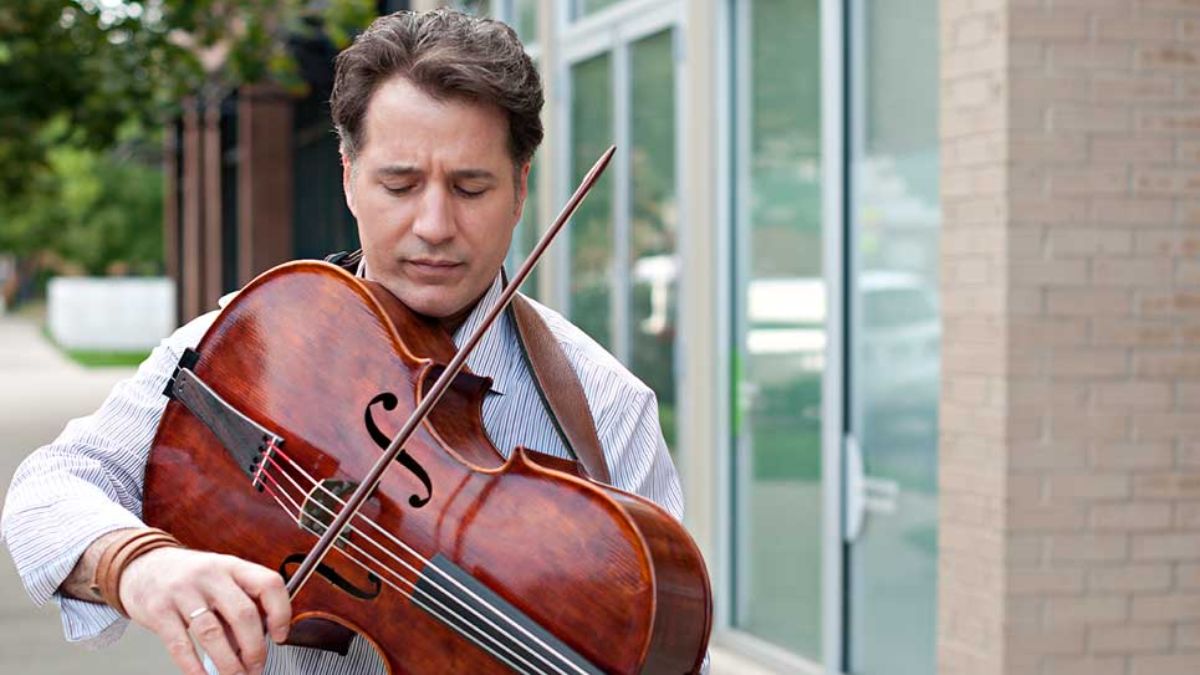
When you listen to Baroque music — whether it’s Bach, Handel, or Vivaldi — there’s something quietly powerful keeping everything together. It’s not always flashy or even noticeable at first. But it’s always there, like a steady heartbeat under the melody. That heartbeat is the basso continuo.
Often overlooked by casual listeners, basso continuo is the secret sauce of Baroque music — the steady rhythm, the harmonic glue, and the foundation for everything else. Let’s break down what it is, how it works, and why it’s essential.
Definition
So, what exactly is basso continuo?
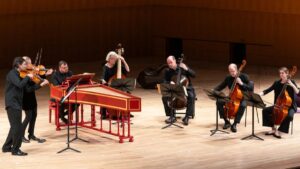
Basso continuo, often just called “continuo,” is a continuous bass line that runs through a piece of Baroque music. It’s played by two or more instruments: one that plays the bass notes (like a cello or bassoon) and another that fills in the harmonies (like a harpsichord, organ, or lute).
Think of it as the rhythm section in a jazz band — it sets the groove, supports the soloists, and fills in the chords.
Instruments
The continuo group isn’t one fixed combo — it’s flexible. Composers chose instruments based on the context of the piece, the size of the ensemble, and even the space where the music was performed.
Here are common instruments used in basso continuo:
| Role | Instruments Used |
|---|---|
| Bass line | Cello, double bass, bassoon |
| Harmony/chord fill | Harpsichord, organ, theorbo, lute |
In church music, you might hear organ continuo. In a courtly chamber piece, the harpsichord and lute might share the role. It all depends on the setting.
Notation
One unique thing about basso continuo is how it’s written. Instead of writing out all the notes for the chord-playing instrument, composers used a shorthand called figured bass.
It looks like this:
Bass note + numbers (figures)
Those numbers tell the keyboard player which intervals above the bass note to play. It’s kind of like jazz chord symbols — a guide for improvisation rather than exact notation.
For example, if you see a bass note with a “6” under it, the player knows to add the note a sixth above. Trained continuo players read these figures fluently, filling in harmonies on the fly.
Function
What does continuo do in the music? A lot, actually.
- Rhythm: The steady bass gives a sense of pulse and momentum.
- Harmony: The chordal instruments fill in the harmonic context, supporting the melodies above.
- Texture: It adds richness and depth to the overall sound.
- Flexibility: It allows for improvisation and expression, especially in recitatives or arias.
Without continuo, Baroque music would feel hollow. With it, everything locks into place.
Role in Ensembles
In a Baroque ensemble, the continuo players are always present, whether it’s a trio sonata or a full-blown oratorio. They don’t take solos, and you rarely hear them mentioned by name — but their role is just as important as the soloists.
In fact, many ensembles, like The English Concert under Trevor Pinnock, have become known for their superb continuo playing. Their tight rhythm, tasteful harmonies, and expressive support elevate the entire performance.
Famous Examples
Here are some iconic works where continuo shines:
| Composer | Work | Continuo Presence |
|---|---|---|
| Bach | Brandenburg Concertos | Drives the rhythm |
| Handel | Messiah | Supports recitatives/arias |
| Vivaldi | The Four Seasons | Underscores the solo violin |
| Corelli | Trio Sonatas | Built entirely around it |
In each, the continuo doesn’t lead — it empowers. It provides the invisible architecture that makes everything above it possible.
Modern Performance
In historically informed performances, like those led by Trevor Pinnock, continuo is treated with great care. Musicians use period instruments, gut strings, and historical tunings to match the sound and style of the era.
They also embrace improvisation, especially in keyboard parts. Rather than reading every chord off the page, the player listens, reacts, and weaves harmonies that respond to the moment. That flexibility is part of what makes Baroque music feel so alive.
Why It Matters
You might not hum the continuo line after a concert, but you’ll feel its presence. It’s the grounding force — subtle but essential.
Knowing basso continuo helps you listen more deeply. You start to hear how the melody floats over a steady foundation, how the chords shift and shape the emotion, and how the rhythm pulses underneath it all like a heartbeat.
So next time you press play on a Bach sonata or Handel oratorio, tune in to the foundation. That’s basso continuo — the rhythmic and harmonic engine of Baroque music.
FAQs
What is basso continuo?
It’s a continuous bass line with harmonies in Baroque music.
Which instruments play continuo?
Usually cello or bass + harpsichord, organ, or lute.
What is figured bass?
A shorthand system showing chords to play above bass notes.
Is continuo improvised?
Yes, players improvise harmonies based on figures.
Why is it important?
It provides rhythm, harmony, and support in Baroque music.