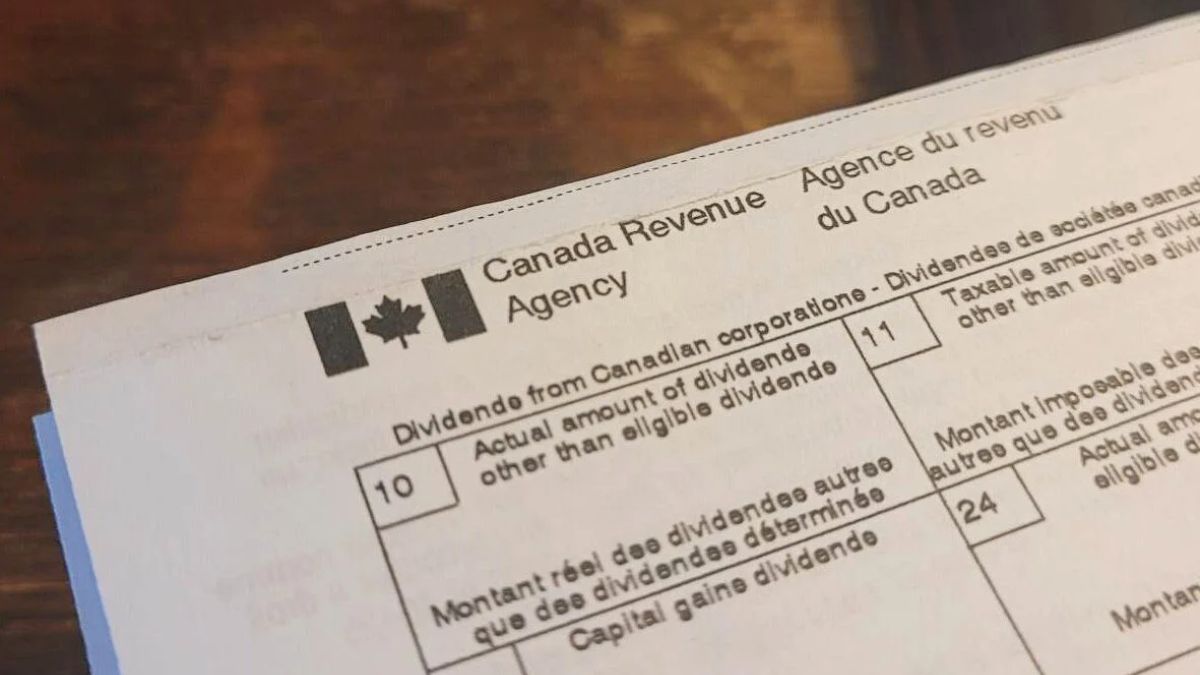

Canada is tightening the screws on crypto tax enforcement, and this time, it’s NFTs in the spotlight. The Canada Revenue Agency (CRA) has obtained a court order requiring Dapper Labs, the Vancouver-based NFT giant behind NBA Top Shot, to hand over detailed user data.
It’s a big move that signals the government’s deepening interest in tracking digital asset income—and making sure it’s properly taxed.
Crackdown

This isn’t a first for Canada, but it is a step up. Back in 2020, a similar court order forced Coinsquare, a major crypto exchange, to share customer info with the CRA. This time, Dapper Labs must provide data on 2,500 of its users. Originally, the CRA requested info on over 18,000 accounts, but negotiations narrowed the focus to a smaller, more relevant group—people whose crypto and NFT transactions are now under review for potential tax noncompliance.
What’s important here is that Dapper Labs itself isn’t accused of doing anything wrong. The company is just being required to cooperate, much like a bank would in a regular tax investigation.
Enforcement
The CRA’s actions highlight a growing concern—unreported crypto income. Over the last three years, Canada has recovered more than C$100 million in unpaid taxes linked to digital assets. But here’s the kicker: not one criminal conviction has come out of all that.

Why? Tracing crypto transactions across platforms, borders, and wallets is complex. It’s like trying to piece together a puzzle when half the pieces are scattered across the globe. Add anonymous wallets and decentralized platforms into the mix, and you start to see why prosecution is so difficult. CRA insiders say some platforms may have tax compliance rates as low as 60%, which leaves a lot of money on the table.
Strategy
To fix this, the federal government is rolling out new strategies. By spring 2026, Canada plans to launch a national financial-crimes agency. The goal is to build a team focused on crypto and other digital financial crimes, making investigations more efficient and effective. This agency will work alongside global efforts to tighten crypto oversight.
One major global initiative is the OECD’s Crypto-Asset Reporting Framework (CARF), which Canada will implement in 2026. Once active, CARF will require exchanges and platforms to report user identities, balances, and transaction history directly to the tax office. No more guesswork or anonymous trading—everything will be reported annually, just like bank interest or salary income.
Penalties

If there’s any doubt about Canada’s seriousness, take a look at the fines in 2025 alone. FINTRAC, the country’s financial intelligence unit, issued two massive penalties: C$176.96 million against Cryptomus and C$19.5 million against KuCoin. These weren’t small slips—they were record-breaking penalties tied to violations of anti-money laundering (AML) rules.
Here’s a quick snapshot:
| Company | Year | Fine (CAD) | Reason |
|---|---|---|---|
| Cryptomus | 2025 | 176.96 million | AML non-compliance |
| KuCoin | 2025 | 19.5 million | AML non-compliance |
That level of enforcement sends a loud message: play by the rules or pay the price.
Oversight
So where does Dapper Labs fit into all this? Their case is now a prime example of how Canada is ramping up oversight. With the court order in hand, the CRA is digging into specific users and transactions to see who reported their crypto gains—and who didn’t.
This isn’t just about back taxes. It’s about creating a system where dodging crypto taxes is no longer easy, or even possible. Once CARF is in place and the financial-crimes agency is running, Canada will be equipped to trace even complex crypto activity across chains, wallets, and platforms.
Future
Looking ahead, crypto traders in Canada need to understand one thing: the window for tax evasion is closing fast. Gone are the days when NFTs and tokens could be flipped without scrutiny. With every new regulation, the CRA gets more visibility into who’s doing what—and who owes what.
Whether you’re trading meme coins or minting NFTs, the taxman is watching. And with tools like CARF and inter-agency cooperation on the rise, it’s becoming less about “if” you’ll be audited and more about “when.”
So, what’s the takeaway? Don’t wait for a court order. If you’ve dabbled in crypto and haven’t reported it, now’s the time to clean up your records. Because Canada is coming for its cut—and this time, it’s playing hardball.
FAQs
Why is CRA targeting Dapper Labs users?
To audit crypto users for possible tax evasion linked to NFT trades.
Is Dapper Labs under investigation?
No, Dapper Labs is not accused of wrongdoing, only users are.
What is the CRA looking for?
Unreported crypto income and tax compliance from NFT traders.
What is CARF?
A global reporting rule to track crypto activity for tax purposes.
When will Canada launch its crime agency?
By spring 2026, to investigate digital and crypto-related crimes.