
Ever listened to a Baroque concert and thought, “Why does this sound so different?” The answer often lies in the instruments. Period instruments—those built or modeled after those used in the 17th and 18th centuries—are the key to Historically Informed Performance (HIP). They don’t just look different—they sound, feel, and even behave differently from their modern counterparts.
If you’re curious about the unique charm of early music, this simple guide to period instruments is your perfect starting point. Let’s look into the harpsichord, Baroque violin, and other fascinating tools of the Baroque trade.
Harpsichord
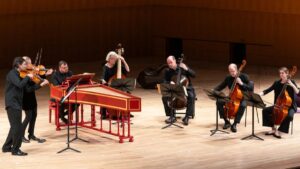
The harpsichord was the king of keyboards before the piano took over. Instead of hammers hitting strings (like a piano), it plucks them with tiny quills—think of it as the guitar of the keyboard family.
The sound? Bright, crisp, and more delicate than a piano. There’s no sustain pedal, so players create expression through articulation and ornamentation. You’ll hear it in Bach’s Well-Tempered Clavier, Handel’s Messiah, and nearly every Baroque concerto.
Modern pianos can easily overpower a Baroque ensemble. The harpsichord blends instead of dominates—perfect for continuo (accompaniment) and solo work alike.
Baroque Violin
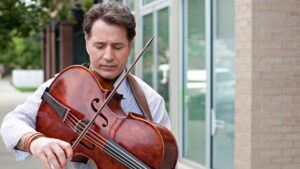
The Baroque violin looks similar to the modern one, but there are important differences. It uses gut strings (not metal), has a shorter fingerboard, and is played with a lighter, curved bow. The sound is softer, warmer, and more intimate.
Without the intense vibrato modern players often use, Baroque violinists focus on phrasing and bowing to shape expression. You’ll notice a speech-like quality—less dramatic, more natural.
It’s perfect for Vivaldi concertos, Bach sonatas, and Purcell’s dance music. In HIP performances, these violins restore the balance and clarity that composers intended.
Recorder
Before the flute took over, the recorder was everywhere. Yes, it’s the same instrument you may have played in school—but in the right hands, it’s stunningly expressive.
Baroque recorders come in various sizes (soprano, alto, tenor, bass) and are made of wood. The tone is sweet, airy, and perfect for solo and ensemble music. Listen to Telemann or Corelli to hear how beautiful it can be.
Fun fact: the recorder nearly disappeared from concert halls until the early music revival brought it back.
Baroque Flute
The Baroque flute is made of wood, has fewer keys, and a more mellow sound than the modern metal flute. It’s harder to control, but offers a wider range of expressive colors.
You’ll hear it in Bach’s Orchestral Suites and many early symphonies. Its softer sound fits beautifully into the texture of period ensembles, never overwhelming the other instruments.
Natural Trumpet
Forget valves—Baroque trumpets are “natural,” meaning players control pitch purely through lip tension and breath. That makes them incredibly difficult to play but incredibly rewarding to hear.
The sound is bright, bold, and heroic. You’ll hear it shine in works like Handel’s Water Music and Bach’s Brandenburg Concerto No. 2. It’s perfect for adding grandeur to festive Baroque pieces.
Baroque Oboe
The Baroque oboe is made of wood with fewer keys than its modern cousin. It produces a more nasal, reedy sound that blends beautifully in ensemble settings.
It’s especially lovely in slow movements, like in Bach’s cantatas and Handel’s operas. The timbre is expressive but never overwhelming—ideal for Baroque textures.
Viola Da Gamba
Often mistaken for a cello, the viola da gamba has frets like a guitar, six or seven strings, and is held between the legs. Its tone is soft, haunting, and lyrical.
It was a favorite for intimate chamber music and solo pieces. Marin Marais and Carl Friedrich Abel wrote beautifully for it. Its expressive range makes it a Baroque gem that many modern audiences are just discovering.
Theorbo
The theorbo is like a lute on steroids—huge, with extra long bass strings and a deep, rich resonance. It was a continuo instrument, providing harmonic support in operas and chamber music.
Its unique appearance (thanks to the super-long neck) and gentle, plucked sound make it a favorite in HIP ensembles today. You’ll hear it in Monteverdi, Purcell, and early Handel.
Organ
Baroque organs vary widely in size and sound, but they were central to sacred music. Unlike modern concert organs, period instruments often have lighter action and different tuning systems.
Bach wrote much of his greatest music for organ, and playing it on a Baroque instrument gives a clearer, more transparent sound that suits counterpoint and choral textures.
Summary Table
Here’s a quick snapshot of some core period instruments:
| Instrument | Modern Equivalent | Key Differences |
|---|---|---|
| Harpsichord | Piano | Plucked strings, no dynamics |
| Baroque Violin | Violin | Gut strings, curved bow, warmer tone |
| Recorder | Flute | Airy, wooden tone, simple construction |
| Baroque Flute | Modern Flute | Wood, fewer keys, soft and mellow |
| Natural Trumpet | Modern Trumpet | No valves, bright tone |
| Baroque Oboe | Modern Oboe | Nasal tone, fewer keys |
| Viola da Gamba | Cello | Fretted, more strings, subtle voice |
| Theorbo | Guitar/Lute | Extended bass range, plucked tone |
| Organ | Modern Organ | Lighter action, historical tunings |
Listening to music on period instruments is like watching a historical film with the right costumes and lighting—it just feels more right. These instruments let us hear what Bach or Vivaldi might have actually heard, bringing us closer to the sound world of the past.
So next time you see a Baroque ensemble on the program, lean in. Whether it’s the twang of a theorbo or the shimmer of a harpsichord, you’re in for something special.
FAQs
What is a period instrument?
It’s an instrument built like those from the 17th–18th centuries.
Is a harpsichord like a piano?
No, it plucks strings instead of hitting them with hammers.
Why do gut strings sound different?
They’re softer and warmer than modern metal strings.
What makes the natural trumpet unique?
It has no valves—pitch is controlled by embouchure alone.
Do orchestras still use these instruments?
Yes, especially in historically informed performances.