
When most orchestras were chasing modern sounds and massive symphonic works, Trevor Pinnock had a different vision. He wanted to go back — way back — to the roots of classical music.
That vision led to the creation of The English Concert in 1972, an ensemble that would go on to redefine how Baroque and Classical music was performed around the world. Using period instruments and a deep love for musical authenticity, Pinnock didn’t just start another orchestra — he sparked a global early music movement.
Vision
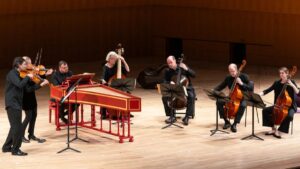
Pinnock’s idea was simple but bold: build an orchestra that performs music as it was originally intended. That meant more than just playing the notes. It required using instruments from the time of the composers, interpreting the music with historical knowledge, and bringing forgotten sounds back to life.
In an era when the harpsichord was collecting dust and Baroque music felt outdated, Pinnock’s vision was radical. But it worked. His commitment to historical performance gave audiences something fresh — even if the music was centuries old.
Formation
The English Concert was born out of the London scene in 1972, when Pinnock gathered like-minded musicians who shared his passion for early music. Many of them were young, energetic, and hungry to look a new (or rather old) way of making music.
From the very beginning, the group stood out. They weren’t interested in large, modern orchestras with polished, lush tones. They wanted clarity, contrast, and rhythm — all hallmarks of Baroque performance. And most importantly, they wanted to honor the original spirit of the music.
Instruments
One of the major differences between The English Concert and other orchestras was its use of period instruments. These were either original instruments from the 17th and 18th centuries or high-quality replicas.
This included gut-string violins, wooden flutes, natural trumpets, and, of course, the harpsichord. These instruments have a raw, intimate sound that modern versions simply can’t replicate. They also require different playing techniques, which the musicians had to master.
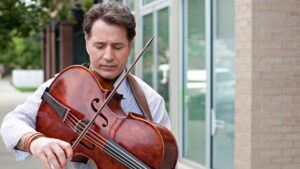
Why go through all that trouble? Because those instruments are what Bach, Handel, and Vivaldi wrote for. And to hear their music in its truest form, you need the tools they used.
Sound
The result was a sound that was lighter, crisper, and more energetic than what most people were used to. Fast tempos, punchy rhythms, and vibrant dynamics became the signature style of The English Concert.
Under Pinnock’s direction, the music wasn’t just accurate — it was alive. Audiences were often surprised by how fresh and exciting these centuries-old pieces could be when performed with the right tools and mindset.
Repertoire
The English Concert quickly became known for its interpretations of Baroque giants like Handel, Bach, Telemann, and Vivaldi. But they didn’t stop there. They also explored early Classical works by Haydn and Mozart, always staying true to the period style.
Some of their most famous recordings include Handel’s Messiah, Bach’s Brandenburg Concertos, and Vivaldi’s The Four Seasons. These performances weren’t just well-received — they set new standards for what historically informed performance could be.
Growth
Throughout the 1980s and 1990s, The English Concert rose to international fame. They toured globally, released dozens of critically acclaimed albums, and worked with some of the top soloists and singers in the world.
Even after Pinnock stepped down as director in 2003, the orchestra continued to thrive, staying true to the foundations he built. Today, it’s one of the leading period orchestras in the world — a living testament to Pinnock’s pioneering spirit.
The English Concert Highlights
| Feature | Description |
|---|---|
| Founded | 1972 by Trevor Pinnock |
| Focus | Baroque and early Classical music |
| Instruments | Period instruments (originals and replicas) |
| Signature Sound | Crisp, energetic, bhistorically authentic |
| Notable Recordings | Messiah, Brandenburgs, The Four Seasons |
| Legacy | Global influence on period performance practice |
Trevor Pinnock didn’t just build an orchestra — he built a movement. The English Concert proved that historical music doesn’t belong in museums. It belongs on the stage, played with passion and precision. Thanks to his vision, audiences around the world now hear Baroque music the way it was meant to be heard — and they’re loving every note.
FAQs
What is The English Concert?
A period-instrument orchestra founded by Trevor Pinnock in 1972.
Who founded The English Concert?
Trevor Pinnock, a British harpsichordist and conductor.
What makes it unique?
It uses period instruments and historically informed techniques.
What music do they play?
Mostly Baroque and early Classical works.
Is it still active today?
Yes, it continues to perform and record internationally.