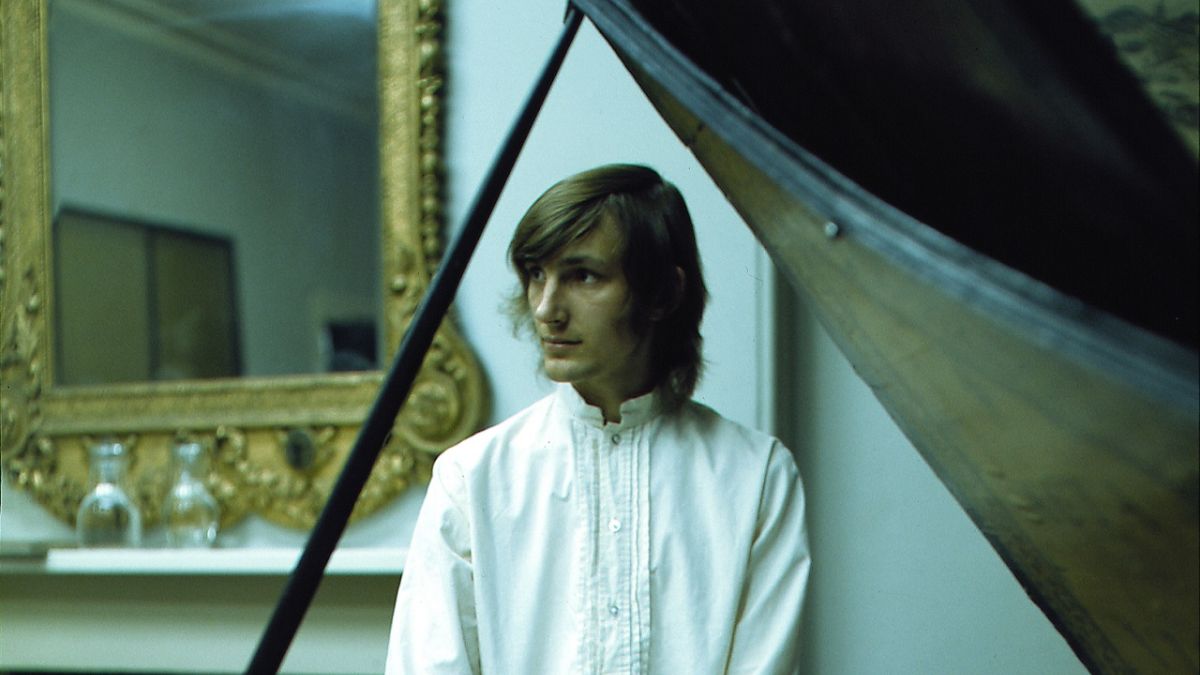
When you listen to Trevor Pinnock’s recordings, especially of Baroque music, you’re not just hearing notes — you’re hearing history. That signature clarity, that dance-like energy, and that raw emotional tone? It’s not just Pinnock’s artistry. A huge part of the magic comes from the instruments he chooses.
So, what exactly are the instruments that give Pinnock’s performances their unmistakable sound? Let’s cut into the world of gut strings, wooden flutes, and harpsichords — the tools of his trade.
Harpsichord
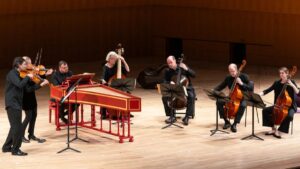
Let’s start with the heart of Pinnock’s sound: the harpsichord. This is the keyboard instrument that dominated the Baroque era before the piano took over. Unlike a piano, which strikes strings with hammers, a harpsichord plucks them — kind of like a giant guitar with keys.
Pinnock’s harpsichord playing is crisp, rhythmic, and expressive. He often uses replicas of 17th and 18th-century instruments, modeled after makers like Ruckers or Taskin. The result? A clean, articulate sound that brings out the intricate details in Bach, Handel, and Scarlatti.
Baroque Strings
Modern orchestras use metal strings, but not in Pinnock’s world. His ensembles — like The English Concert — use gut strings, made from sheep intestines. Sounds odd? Maybe. But gut strings produce a warmer, softer tone that blends beautifully.
These strings also react differently to bowing, allowing for more subtle phrasing and articulation. With Baroque bows (which are curved differently than modern ones), the players create a lighter, more flexible sound that suits the style perfectly.
Natural Trumpets
If you’ve heard a bright, piercing trumpet sound in a Pinnock recording, chances are it was a natural trumpet — no valves, just lip and breath control. These instruments were used in Handel’s and Bach’s day, and they sound rawer and more brilliant than modern trumpets.
Pinnock’s use of natural trumpets gives works like Handel’s Messiah and Bach’s Brandenburg Concertos a heroic, vibrant edge — without the overpowering blast of modern brass.
Baroque Flutes and Oboes
The flutes and oboes in Pinnock’s recordings are made of wood, not metal or plastic. Baroque flutes, also known as traversos, have a soft, breathy tone, almost like a whisper compared to today’s flutes. Baroque oboes are similarly mellow and blend easily with strings.
These instruments don’t project as much as their modern cousins, but that’s part of the charm. They create an intimate, conversational sound that’s perfect for chamber music and solo passages.
Theorbo and Lute
In some of Pinnock’s recordings, you’ll hear a plucked instrument in the background, adding rhythm and harmony — that’s likely a theorbo or lute. These instruments are like oversized guitars with extra bass strings.
They form part of the continuo group, which is basically the rhythm section of Baroque music. Pinnock uses them to support the harmony in a subtle but essential way, especially in operas and oratorios.
Organ
While Pinnock is best known for the harpsichord, he also uses Baroque organs when needed. These organs have fewer stops and a more focused sound than the big cathedral organs of the Romantic era.
They’re used in Messiah, Bach cantatas, and instrumental works to provide bass lines and harmonic texture. The organ’s earthy, grounded tone adds depth without overwhelming the ensemble.
Period Tuning
Here’s something you might not notice right away: Pinnock often uses lower tuning than modern orchestras. Today’s standard pitch is A=440 Hz, but Baroque ensembles often tune to A=415 Hz. That slightly lower pitch softens the overall sound and matches the instruments’ natural resonance.
It’s a subtle shift, but it makes a big difference in the warmth and blend of the music.
Historical Accuracy
All these instrument choices aren’t just about sound — they’re about honesty. Pinnock is a champion of historically informed performance. That means doing research, using original manuscripts, and performing the music in a way that reflects the time it was written.
He’s not trying to recreate the past like a museum piece — he’s making it come alive. The instruments are just part of that bigger vision.
Here’s a breakdown of key instruments used in his recordings:
| Instrument | Modern Equivalent | Key Feature |
|---|---|---|
| Harpsichord | Piano | Plucked strings, crisp articulation |
| Baroque Violin | Modern Violin | Gut strings, light bowing |
| Natural Trumpet | Valved Trumpet | No valves, brilliant sound |
| Baroque Flute | Metal Flute | Wooden, softer tone |
| Theorbo/Lute | Guitar | Bass strings, rhythm support |
| Baroque Organ | Modern Organ | Focused, smaller pipes |
Trevor Pinnock’s recordings sound so fresh because they’re rooted in the past. The instruments he chooses aren’t just for show — they change the character of the music itself. There’s less noise, more nuance. Less volume, more voice. In a world full of overproduction, Pinnock’s sound is a breath of historical air.
FAQs
What keyboard does Pinnock play?
He mainly plays the harpsichord, not the modern piano.
Do his strings use gut?
Yes, Baroque strings use gut for warmer tone and flexibility.
Why use natural trumpets?
They match the original sound Handel and Bach intended.
Are Baroque flutes metal?
No, they’re wooden and produce a softer, breathier sound.
What is A=415 tuning?
It’s a lower Baroque pitch that softens the overall sound.