
Classical music used to sound very different. Back in the mid-20th century, it was all about lush orchestras, modern instruments, and heavy Romantic interpretations—even when playing Baroque or Classical pieces. Then came the Historically Informed Performance movement, or HIP for short. And everything changed.
What started as a niche experiment turned into a musical revolution. Today, HIP has reshaped how we hear Bach, Handel, Mozart, and even Beethoven. From tuning to tempo, the way we perform early music has been redefined. But how did it happen—and why does it still matter?
Let’s look into how HIP transformed the classical music world forever.
Meaning
So what exactly is historically informed performance?
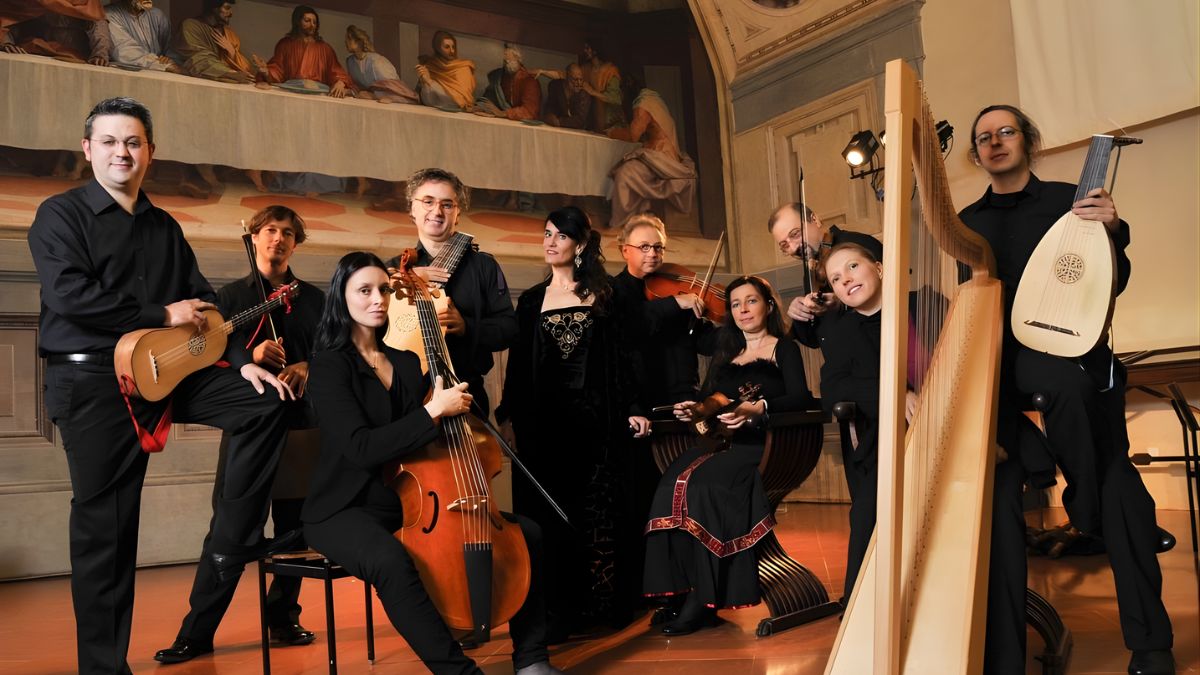
HIP is all about recreating music the way it might have sounded when it was first composed. That means using period instruments, applying playing techniques of the time, and relying on historical research rather than modern habits. It’s like musical archaeology—digging up the past to understand how composers really intended their music to sound.
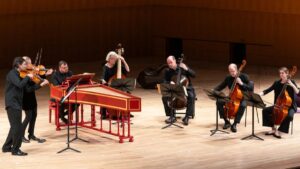
Think gut strings instead of metal, wooden flutes instead of silver ones, and harpsichords in place of grand pianos. It also means smaller ensemble sizes, different approaches to dynamics and phrasing, and often faster, dance-like tempos.
Origins
The HIP movement began taking shape in the 1950s and 60s. Musicians like Nikolaus Harnoncourt, Gustav Leonhardt, and later, Trevor Pinnock and Christopher Hogwood, started asking big questions: Were we playing Baroque and Classical music all wrong? What if we stripped away the modern style and tried to play it as composers like Bach or Mozart might have heard it?
At first, many in the classical world resisted. HIP performances were seen as dry, too academic, or even “unmusical.” But slowly, ears started to change. Audiences noticed how alive the music felt when played with historical insight and the instruments of the time.
Sound
The most obvious change HIP brought was the sound of early music. Modern orchestras can make everything sound huge and blended—but period ensembles bring clarity and character.
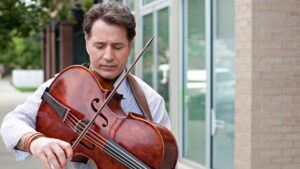
Baroque violins, with their lighter bows and gut strings, sound more agile. Natural trumpets and horns have a raw, noble quality. Harpsichords add rhythmic energy. And period woodwinds like the Baroque oboe or flute have a warm, slightly nasal tone that’s very different from their modern counterparts.
This new sound world revealed details in the music that had often been buried under vibrato and heavy interpretation. In HIP performances, counterpoint sparkles, rhythm drives the music forward, and there’s a sense of dance and immediacy.
Technique
Historically informed musicians also had to rethink how they played. Continuous vibrato (common in modern playing) was largely dropped, ornamentation became essential, and conductors started following older treatises and composer notes instead of just the score.
In HIP, interpretation isn’t about making the music “romantic”—it’s about understanding the composer’s world. This leads to cleaner phrasing, sharper rhythms, and a more speech-like style of playing.
Repertoire
HIP didn’t just change how we play Bach and Mozart—it also expanded the repertoire. Forgotten composers like Telemann, Buxtehude, and Rameau were rediscovered. Music once considered dusty or too obscure found new audiences thanks to HIP ensembles.
It also reshaped how major composers were performed. Beethoven, for example, started sounding more like the bridge between Classical and Romantic, rather than fully Romantic. That gave us a new way to hear his early symphonies—not as grand statements, but as lively, surprising creations full of grit and clarity.
Influence
Today, even mainstream orchestras and conservatories have embraced HIP principles. Conductors like John Eliot Gardiner, Philippe Herreweghe, and yes—Trevor Pinnock—have shown that HIP isn’t a gimmick; it’s a powerful tool for musical truth.
Modern symphony orchestras often incorporate HIP techniques when playing Mozart, Haydn, and even Brahms. Players use less vibrato, lighter articulation, and clearer textures. It’s now rare to hear a Baroque work played in a completely “modern” style.
Summary Table
Here’s how HIP changed the game:
| Feature | Before HIP | After HIP |
|---|---|---|
| Instruments | Modern, large orchestras | Period instruments, smaller groups |
| Tuning | Modern A=440 or higher | Often A=415 or lower |
| Interpretation | Romantic phrasing, heavy vibrato | Light phrasing, minimal vibrato |
| Tempos | Slower and broad | Livelier and dance-based |
| Repertoire | Mostly major names like Bach | Rediscovered forgotten composers |
| Audience | Traditional concertgoers | Broader, more curious listeners |
HIP didn’t just tweak the way we play old music—it revolutionized how we know it. It asked musicians to think like historians and to look into the intent behind the notes. It brought forgotten sounds and composers back to life. And most of all, it reminded us that early music isn’t stuck in the past—it’s vibrant, alive, and still evolving.
Whether you’re a lifelong classical fan or a newcomer, HIP performances offer something fresh and authentic. They invite us to listen with new ears and hear familiar works in entirely new ways.
FAQs
What does HIP stand for in music?
It means Historically Informed Performance.
Why are period instruments used?
To recreate the sound of the composer’s time.
Who started the HIP movement?
Pioneers include Harnoncourt, Leonhardt, and Pinnock.
Is HIP only for Baroque music?
No, it’s used for Classical and early Romantic works too.
Do modern orchestras use HIP ideas?
Yes, many now apply HIP techniques in their playing.