
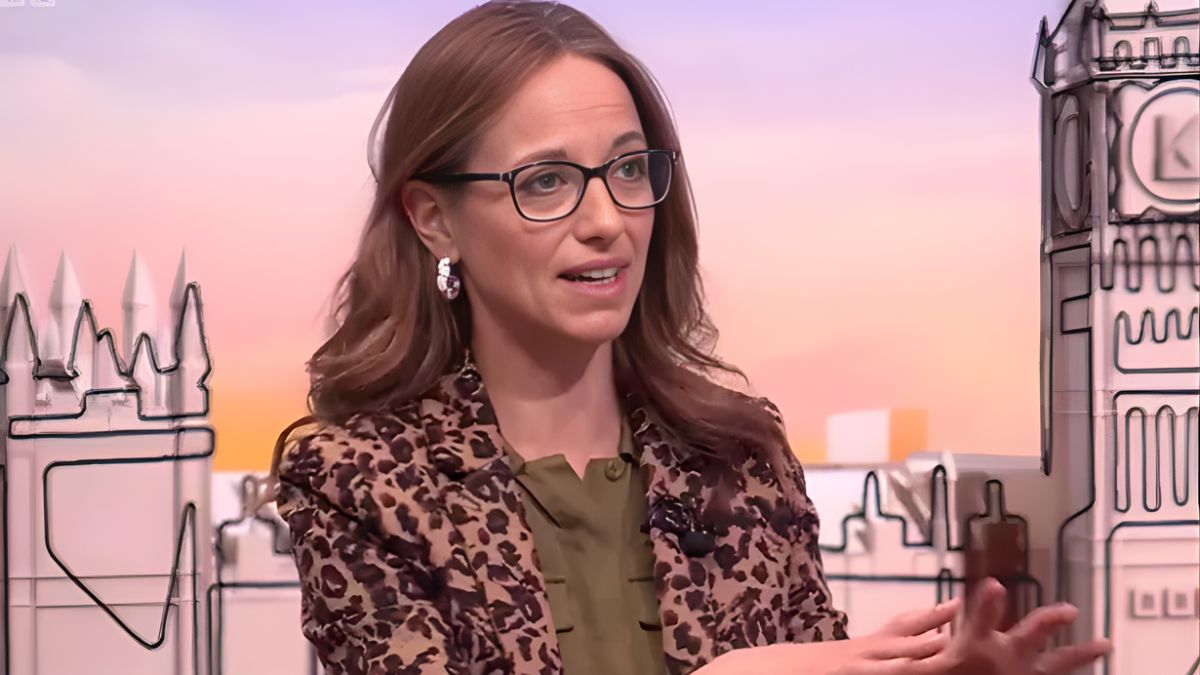
A heated debate has reignited around the future of the Motability Scheme, with senior Conservative figures now pushing for major reforms that could exclude people with certain mental health and neurodivergent conditions. At the centre of the controversy is Shadow Work and Pensions Secretary Helen Whately, who claims the scheme is being misused and has “gone completely out of control.”
Whately has called for the scheme to return to its “original purpose”—helping only those with severe physical disabilities—and specifically questioned the eligibility of people with conditions such as ADHD, anxiety, and acne.
Reform

During an appearance on BBC’s Sunday with Laura Kuenssberg, Whately argued that the Motability programme, which helps disabled people lease vehicles using their Personal Independence Payment (PIP), now lacks transparency and is costing too much.
She said: “The scheme was set up for people with severe disabilities. But now it’s being accessed for conditions like tennis elbow, acne, and ADHD… That’s not what it was intended for.”
Whately cited the £3 billion cost of the scheme last year and noted it had risen 10%, despite no similar rise in the number of severely disabled people.
Fact Check

However, when challenged on the accuracy of her claims, Whately stumbled. Kuenssberg pointed out that:
- Only 190,000 people with mental health conditions currently qualify for a Motability car
- The total number of PIP claimants receiving enhanced mobility due to mental health conditions is much smaller than Whately’s claim of “millions”
Despite this, Whately maintained her argument, stating the system encourages people with manageable conditions to remain out of work. “People with milder conditions would be better off in work,” she said, calling the current benefit approach “unfair to working taxpayers who can’t afford a car themselves.”
Eligibility
To qualify for the Motability scheme, claimants must receive the enhanced rate of the mobility component of PIP. This is not awarded lightly—claimants must demonstrate severe difficulty with moving around or significant challenges in planning and following journeys.

The surge in claims for the enhanced mobility rate has been partly attributed to a better understanding of how mental health conditions like PTSD, autism, and severe anxiety can deeply affect mobility—not just walking, but being able to travel independently or safely.
Political Reaction
Whately’s remarks have prompted a flood of criticism—not just from political opponents but also from disability rights advocates, carers, and even her own constituents.
Some Conservative MPs have backed calls to cut back eligibility and reserve Motability cars for those with “serious” physical disabilities only. But others argue this approach misrepresents how disability works, especially for people whose mental health or cognitive conditions directly impair their mobility and independence.
Here’s how the Motability criteria breaks down:
| Current Eligibility | Proposed Reform Suggestion |
|---|---|
| Enhanced rate PIP (mobility) required | Limit access to only “serious” physical issues |
| Includes severe mental health-related mobility | Exclude ADHD, anxiety, and similar conditions |
| Assessed by medical evidence & DWP decision | Potential narrowing of accepted conditions |
Public Response
On social media platform X, users expressed outrage and concern over the misinformation and stigma in Whately’s remarks:
- “She’s spreading lies that create hostility against disabled people.”
- “Who gets a car for acne? It’s offensive and absurd.”
- “Mental health can be disabling. Does she even understand the system?”
- “Cuts to Motability won’t save much, but they’ll ruin lives.”
Others pointed out the economic logic behind Motability, noting that many users contribute part of their PIP toward their vehicle and that the scheme helps people work, attend appointments, and live independently.
Clarification
In response to the backlash, DWP officials clarified that the government does not directly control who receives a Motability vehicle. Instead, the Motability scheme operates independently, based on DWP benefit awards. If someone qualifies for enhanced mobility support through PIP, they can choose to exchange it for a vehicle lease.
Helen Whately and others calling for reform have also hinted that PIP mobility eligibility criteria may be reviewed in future welfare reforms—raising further concerns for claimants who rely on the scheme.
What’s Next?
Any changes to the Motability scheme or the mobility component of PIP would require parliamentary scrutiny, formal impact assessments, and likely public consultation. So far, no official policy changes have been confirmed—but the growing political pressure signals that reform may be on the horizon.
For now, advocates urge claimants not to panic—but to stay informed, speak to MPs, and push back against harmful narratives that suggest invisible disabilities aren’t real.
FAQs
What is the Motability scheme?
It helps disabled people lease cars using PIP mobility benefits.
Who qualifies for a Motability car?
Only those on enhanced rate PIP mobility component.
Are mental health conditions covered?
Yes, if they significantly affect mobility or travel ability.
Is the government changing eligibility now?
No changes confirmed yet, but reforms have been proposed.
Did Helen Whately’s figures check out?
No, her claim of ‘millions’ was factually incorrect.