
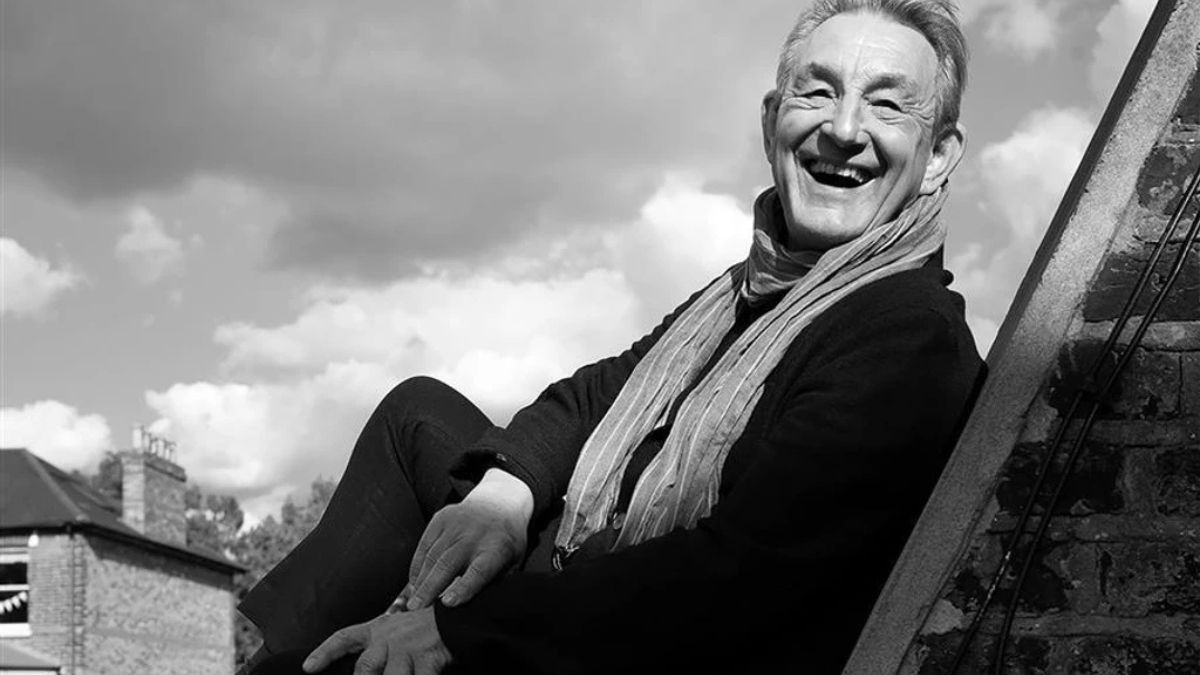
Trevor Pinnock is one of those rare musicians who didn’t just master an instrument — he helped revive an entire era of music. While many performers chase popularity or modern styles, Pinnock turned to the past.
His instrument of choice? The harpsichord. At a time when the harpsichord was seen as an old relic of forgotten times, Pinnock breathed new life into it. Through his passion, performances, and historically informed approach, he reignited the world’s love for Baroque music.
Origins
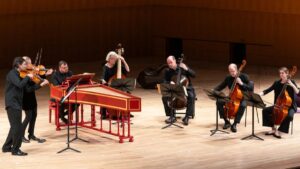
Pinnock’s journey began in Canterbury, England, where he was born in 1946. He studied at the Royal College of Music and quickly became fascinated with early music. But unlike many others, he didn’t just play it. He wanted to play it the way it was meant to be heard — with original instruments, authentic techniques, and the exact expressive style that composers like Bach and Handel intended.
This drive eventually led him to the harpsichord, a keyboard instrument from the Baroque era that had long been overshadowed by the modern piano. While others dismissed it as outdated, Pinnock saw potential. He knew that to understand Baroque music, you had to embrace its sound completely — and that meant embracing the harpsichord.
Breakthrough
Trevor Pinnock’s big moment came when he founded The English Concert in 1972. This ensemble specialized in period instruments and quickly gained recognition for its vibrant, historically accurate interpretations of Baroque and Classical music. Through the group, Pinnock had the perfect platform to showcase the harpsichord and bring forgotten works back into public attention.
Performances by The English Concert under Pinnock’s direction were unlike anything audiences had heard in decades. They weren’t just accurate — they were alive. The rhythm bounced, the dynamics shifted with clarity, and the harpsichord no longer sounded fragile or dull. It sparkled.
Approach
So, what set Pinnock apart? It was his commitment to historical authenticity without sacrificing emotion. He studied original scores, used instruments from the period, and even matched tempos and phrasings based on scholarly research. Yet his playing never felt academic. It felt human — rich with character, energy, and joy.
He made Bach’s harpsichord concertos feel exciting again. He turned Vivaldi’s concertos into bold, emotional journeys. And with each performance, Pinnock helped people rediscover why this music mattered in the first place.
Influence
Pinnock’s influence reached beyond his own performances. He inspired a generation of musicians to look backward, not just forward. Thanks to his work, period ensembles popped up across Europe and beyond. Conservatories began offering more courses on early music. Audiences grew curious about the rich sounds of Baroque instruments, and the harpsichord had a new audience.
In fact, many of today’s top period performers — from conductors to soloists — credit Pinnock as one of their inspirations. He wasn’t just a performer; he was a leader, an educator, and a trailblazer.
Legacy
Throughout his career, Pinnock recorded dozens of albums, many of which remain reference recordings for Baroque enthusiasts. His interpretations of Handel’s “Messiah,” Bach’s Brandenburg Concertos, and Vivaldi’s “Four Seasons” have all received critical acclaim.
But perhaps more importantly, he changed how we listen to old music. He proved that historical accuracy doesn’t mean dull or dusty. With passion and precision, he showed that Baroque music can still stir the soul and energize the spirit.
Recognition
Pinnock has received numerous awards for his work, including a Commander of the Order of the British Empire (CBE). But ask him, and he’d probably say the music itself is the greatest reward.
He continues to teach, conduct, and perform, still using his platform to champion early music and educate young musicians. Even after decades in the field, his love for the harpsichord and Baroque repertoire hasn’t faded.
Pinnock’s Key Contributions
| Contribution | Description |
|---|---|
| Founding The English Concert | Created in 1972 to perform on period instruments |
| Revival of the Harpsichord | Reintroduced the instrument to mainstream classical music |
| Recording Milestones | Iconic performances of Bach, Handel, and Vivaldi |
| Educational Influence | Inspired musicians and academic institutions globally |
| Historical Authenticity | Pioneered research-driven performance practices |
Trevor Pinnock didn’t just play music — he transformed how we hear it. Thanks to his dedication, the harpsichord went from museum piece to concert centerpiece. More than that, he reminded the world that the past still has a voice — and sometimes, it sings louder than ever.
FAQs
Who is Trevor Pinnock?
A British harpsichordist and conductor known for Baroque music.
What is The English Concert?
A period-instrument ensemble founded by Trevor Pinnock in 1972.
What instrument does Pinnock play?
He plays the harpsichord, a Baroque-era keyboard instrument.
Why is Pinnock important?
He revived Baroque music using historically informed practices.
Has Pinnock received awards?
Yes, including a CBE for his musical contributions.