
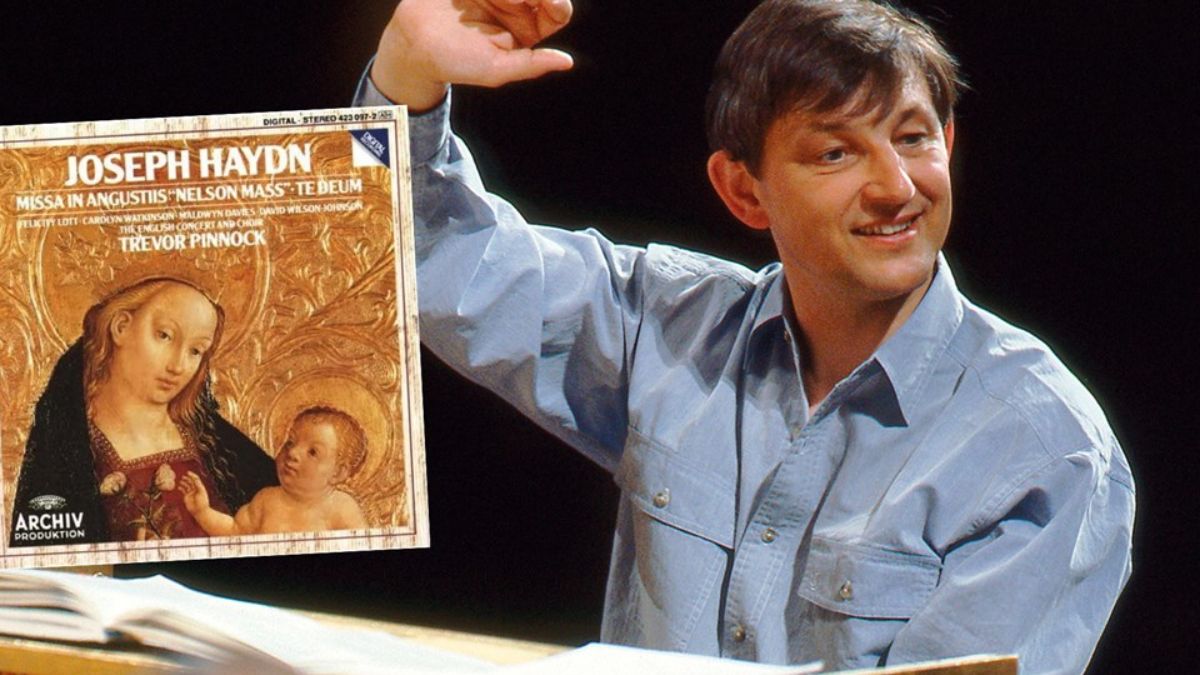
Trevor Pinnock didn’t just play music — he changed how we hear it. While many musicians stick to tradition, Pinnock went deeper, looking at the origins of every note, phrase, and rhythm. His work with composers like George Frideric Handel and Joseph Haydn helped shift how modern audiences and musicians approach their music.
Thanks to Pinnock, we now hear these familiar composers in a way that feels fresher, bolder, and more alive — more like how they were meant to sound.
Rediscovery
Before Pinnock came along, most people heard Handel and Haydn performed by large modern orchestras with romantic interpretations. Everything was polished, heavy, and sometimes slow. But Pinnock thought there was more to the music — something brighter, more rhythmic, and full of contrast.
His secret weapon? Historically informed performance. That meant playing the music with period instruments, using baroque and classical techniques, and bringing a deep understanding of the time these composers lived in.
It wasn’t about being old-fashioned. It was about being honest to the music. And in that honesty, something magical happened — Handel and Haydn felt brand new.
Handel
Let’s start with Handel. Pinnock’s recordings and performances of Messiah, Water Music, and Music for the Royal Fireworks breathed new life into these well-known works. By using smaller orchestras and original instruments, he brought out the details often lost in big modern performances.
The trumpets sparkled, the rhythms bounced, and the choir moved with a sense of urgency. His version of Messiah felt less like a grand ceremony and more like an emotional story, told in real-time.
Pinnock also dug into lesser-known works, helping to show that Handel wasn’t just a composer of showy anthems — he had emotional depth, wit, and incredible range.
Haydn
Now onto Haydn. While he’s often known as the “father of the symphony,” many performances of his music sounded too smooth, too safe. Pinnock helped bring back the fire.
His approach to Haydn’s symphonies and keyboard concertos was crisp, light, and full of character. The humor, the surprise, and the sparkle of Haydn’s music came through in a way that felt intimate and exciting.
Using a smaller ensemble and natural instruments allowed dynamics and textures to pop. You could hear the cheeky turns in the melodies and the dramatic pauses that Haydn loved to use. It wasn’t just pretty — it was fun.
The English Concert
Much of Pinnock’s work with Handel and Haydn was done through The English Concert, the period-instrument ensemble he founded in 1972. This group became the ideal vehicle for his vision: skilled musicians, playing old music on old instruments, with new energy.
Through this group, Pinnock toured globally, recorded dozens of albums, and helped change the way early music was performed and perceived. Their Handel and Haydn recordings set new benchmarks for historical performance.
Recordings
Pinnock’s discography includes many standout recordings of both composers. His Handel: Messiah is still a reference point for many. His Haydn Symphonies series received wide acclaim for its balance of clarity and expression.
Here are a few highlights:
| Composer | Work | Performed With |
|---|---|---|
| Handel | Messiah | The English Concert |
| Handel | Water Music | The English Concert |
| Handel | Organ Concertos | Solo and Ensemble |
| Haydn | Symphonies 94, 101, 104 | The English Concert |
| Haydn | Keyboard Concertos | Harpsichord, solo & with orchestra |
These recordings are celebrated not just for being accurate, but for being emotionally rich and musically alive.
Impact
Trevor Pinnock’s work has inspired a whole generation of musicians to rethink how they approach classical music. His influence is seen in how modern performers now prioritize historical accuracy — not just in instruments, but in style, pacing, and expression.
Music schools and conservatories now teach historically informed performance as a serious discipline, something Pinnock helped bring into the mainstream. And for audiences, he made older music more engaging and more relatable.
Philosophy
At the heart of Pinnock’s work is a simple idea: the music tells you how to play it — if you’re willing to listen. That’s why he avoids adding unnecessary drama or personal interpretation. He lets the music speak for itself, through the lens of the composer’s own time.
It’s a philosophy that has stood the test of time. And it’s one that’s left a lasting mark on how we hear not just Handel and Haydn, but all early classical music.
Trevor Pinnock didn’t just interpret the classics — he redefined them. His work with Handel and Haydn helped pull these composers out of dusty tradition and into vibrant, authentic life. Thanks to his dedication and precision, we can now experience their music with the same color, humor, and brilliance that first enchanted 18th-century audiences.
FAQs
How did Pinnock change Handel’s music?
He used smaller ensembles and period instruments for freshness.
Why is Pinnock’s Haydn important?
He brought energy and clarity with historically informed style.
What is The English Concert?
A period-instrument group founded by Pinnock in 1972.
What instruments does Pinnock use?
He plays the harpsichord and uses period-accurate ensembles.
Are his recordings still popular?
Yes, his Handel and Haydn recordings are widely respected.