
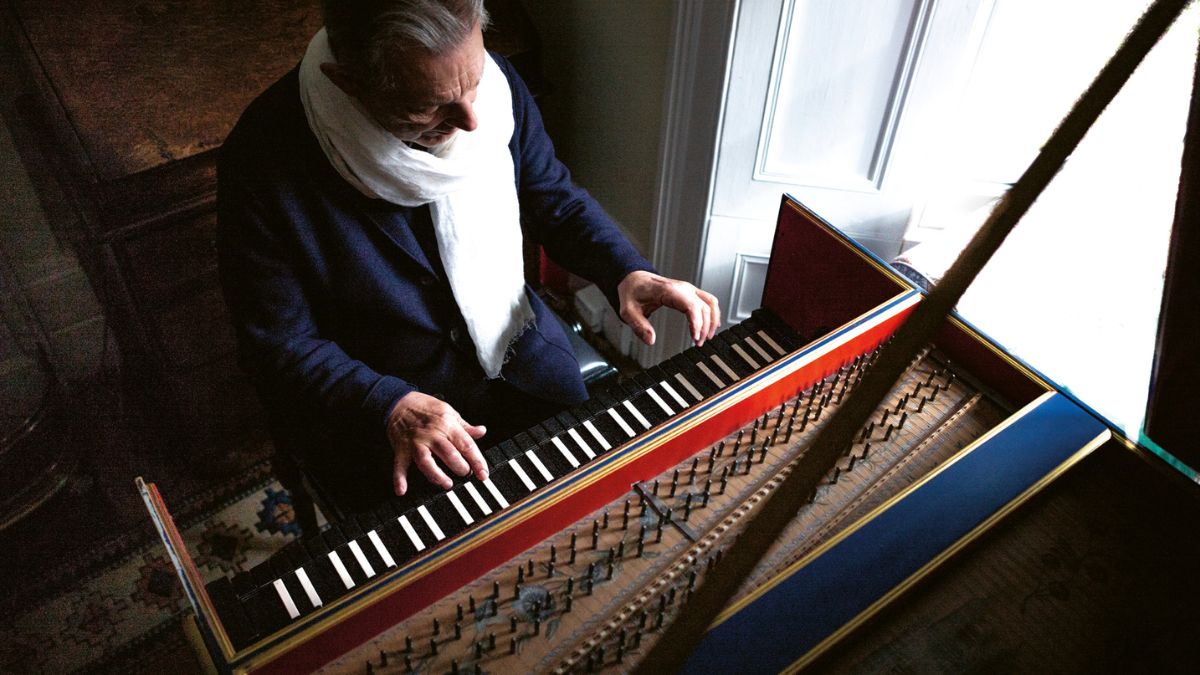
Most musicians dream of launching one iconic ensemble in their lifetime. Trevor Pinnock did that with The English Concert, setting a gold standard for Baroque performance. But what makes him truly exceptional is what he did next.
Rather than resting on decades of success, Pinnock stepped into a powerful “second career”—one where he nurtures new orchestras, collaborates globally, and explores repertoire far beyond the Baroque.
Let’s look into how Pinnock reinvented himself, and why his work post-English Concert might be his most exciting chapter yet.
Origins
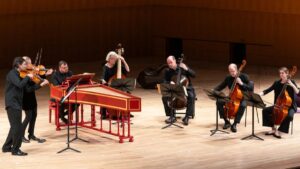
Back in 1972, Trevor Pinnock founded The English Concert, and it quickly became a powerhouse for historically informed performances. With period instruments and fresh interpretations, the ensemble reshaped how audiences heard Bach, Handel, and Vivaldi. Their recordings set the standard, and their live performances brought Baroque music roaring back to life.
Pinnock led the group until 2003, when he handed over the reins. That’s when most expected him to slow down—but instead, he did the opposite. He embraced a whole new phase of his musical journey.
Transition
Stepping away from The English Concert wasn’t a retirement—it was a transformation. Pinnock suddenly had more time to explore personal projects, mentor younger musicians, and experiment with new ensembles.
He started guest-conducting with major symphony orchestras, many of which had little or no tradition of period performance. This gave him the chance to bring his historically informed approach to wider classical audiences—and to works well beyond the Baroque era.
Collaborations
Trevor Pinnock’s post-English Concert career is defined by his collaborative spirit. He’s not chasing the spotlight—he’s sharing it.
He’s worked with orchestras such as:
| Orchestra | Country |
|---|---|
| Royal Concertgebouw Orchestra | Netherlands |
| Leipzig Gewandhaus Orchestra | Germany |
| Kammerorchester Basel | Switzerland |
| Deutsche Kammerphilharmonie Bremen | Germany |
| Mozarteumorchester Salzburg | Austria |
These aren’t just one-off gigs. He’s formed lasting relationships with many of these groups, often returning to conduct special projects or festivals.
What makes his involvement unique is the way he blends old techniques with modern orchestral setups. He might use period bows and phrasing with a modern orchestra—blurring the lines between old and new in the best way.
New Projects
One of Pinnock’s most exciting ventures has been forming and shaping new orchestras and ensembles around the world. He’s worked closely with younger, flexible chamber groups open to mixing tradition with innovation.
A standout example is his involvement with the European Brandenburg Ensemble, which he launched in 2006 to celebrate his 60th birthday. This group brought together top young period-instrument players for a fresh take on Bach’s Brandenburg Concertos. The result? A Grammy-nominated recording that proved Pinnock still had new things to say—even with repertoire he’d recorded decades earlier.
He’s also worked on several project-based orchestras—pop-up ensembles created for festivals, educational purposes, or special recordings. These groups give him the freedom to test new ideas and spotlight emerging talent.
Repertoire
In this second career, Pinnock has stretched far beyond the Baroque. He’s embraced Classical and early Romantic music, often conducting works by Mozart, Haydn, and Beethoven with the same clarity and historical insight he brought to Bach.
But it doesn’t stop there. He’s even tackled early 20th-century repertoire, interpreting works by Ravel and Stravinsky with an ear for texture and rhythm often overlooked.
His ability to move across centuries with style and respect for each composer’s voice has made him one of the most adaptable conductors in the classical world.
Education
Pinnock’s second career also blends performance with pedagogy. Alongside his professional engagements, he regularly leads masterclasses, guest residencies, and young artist programs. His approach to teaching orchestras reflects his collaborative ethos—he doesn’t dictate; he guides.
Whether he’s preparing a youth ensemble or working with conservatoire students, he brings the same enthusiasm and respect for the music—and for the musicians.
Impact
Trevor Pinnock’s legacy isn’t confined to The English Concert. His second act is arguably even more influential, reaching across cultures, generations, and genres. He’s become a model of musical reinvention—proof that great artistry never stops evolving.
Here’s a quick comparison of his two career phases:
| Phase | Focus |
|---|---|
| The English Concert | Baroque, period instruments, recordings |
| Second Career | Collaborations, education, varied styles |
| Key Work | Brandenburgs, Handel operas |
| New Projects | European Brandenburg Ensemble, guest roles |
| Influence | Global, multi-generational |
Pinnock shows that music isn’t about staying in one lane—it’s about building roads in every direction. And his journey is far from over.
FAQs
When did Pinnock leave The English Concert?
He stepped down as director in 2003.
What is the European Brandenburg Ensemble?
A period-instrument group Pinnock formed in 2006.
Does Pinnock conduct modern orchestras?
Yes, he works with both modern and period ensembles.
Has he recorded beyond Baroque music?
Yes, including Mozart, Haydn, and early 20th-century pieces.
Is Pinnock involved in music education?
Absolutely—he mentors, teaches, and leads youth programs.