
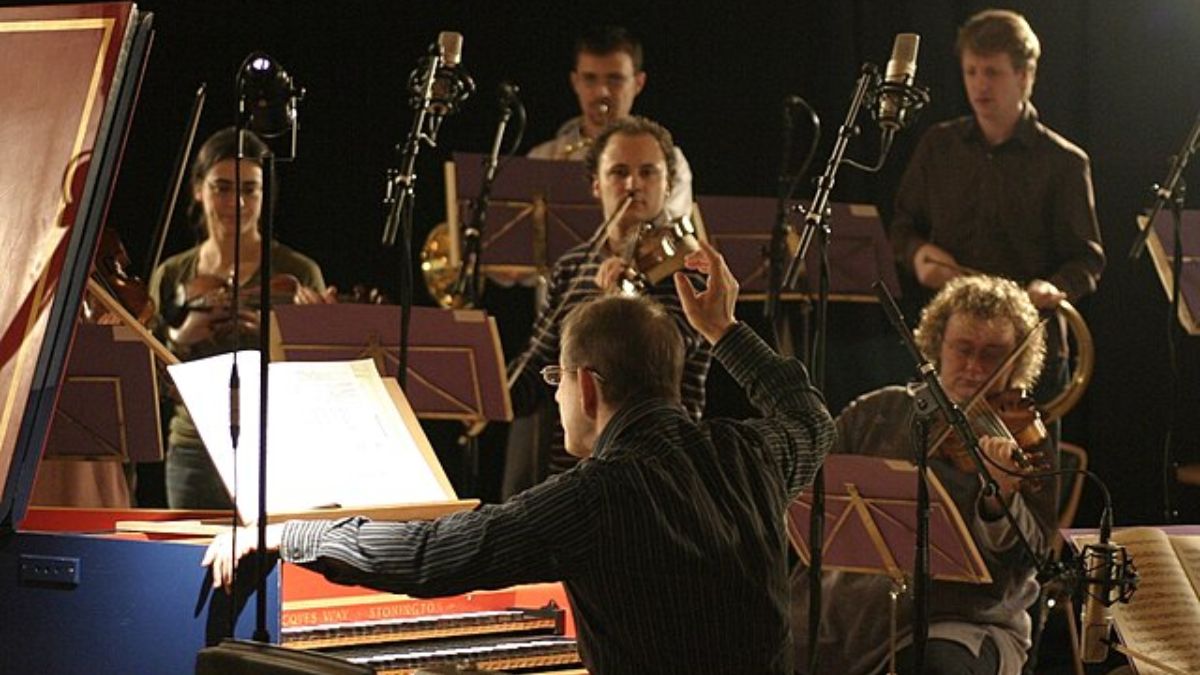
Trevor Pinnock is one of the most important figures in early music, but what really sets him apart is how he performs it — with a method called historically informed performance, or HIP for short. If that sounds complicated, don’t worry. It’s actually pretty simple: Pinnock plays music the way it would have sounded when it was first written.
Let’s break it down in a way that makes sense, without the music jargon. Here’s how Pinnock helped change the way we experience Baroque and Classical music — by going back to the source.
Basics
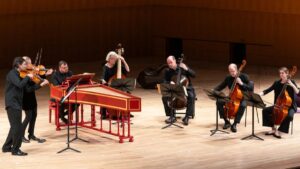
So, what exactly is historically informed performance? At its core, it’s about playing music using the instruments, styles, and techniques that were used at the time the music was composed.
Pinnock doesn’t just open a score and start playing. He asks questions first. What kind of instrument did the composer write this for? What kind of sound did people expect to hear? How fast or slow did they play it? How did musicians phrase and ornament the music?
Once he has the answers, he builds his performance around them. It’s not just about accuracy. It’s about respect — and bringing the music to life as the composer imagined it.
Instruments
One of the biggest differences in Pinnock’s approach is the instruments he uses. Instead of modern violins, flutes, or trumpets, he uses period instruments — either originals or replicas made to look and sound like those from the 17th and 18th centuries.
Here’s a quick comparison:
| Modern Instrument | Period Version |
|---|---|
| Modern Violin | Gut-string Baroque Violin |
| Modern Flute | Wooden Baroque Flute |
| Modern Trumpet | Natural Trumpet |
| Piano | Harpsichord |
These instruments sound different — softer, more earthy, and more detailed. That changes the entire mood of the music.
Style
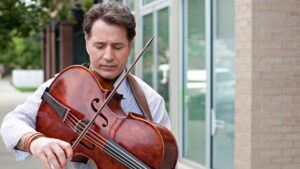
Pinnock also follows the style of the time. In Baroque music, for example, players added their own ornaments — little flourishes and trills — based on what was fashionable then. It wasn’t all written out; musicians were expected to be creative.
He also pays close attention to tempo. Many modern performers tend to play Baroque music slowly and heavily. Pinnock’s tempos are often faster and more dance-like — because that’s how it was meant to feel.
And phrasing? He shapes musical lines with lightness and clarity, staying true to how the music was originally phrased, often following what would have been sung or spoken rhythmically in the time.
Practice
Historically informed performance takes a lot of research. Pinnock reads original scores, letters, and even music theory books from the time of Bach and Handel. He looks at how musicians were trained, how they performed, and what audiences expected.
It’s a bit like a musical detective story. He pieces together the clues to figure out how a piece was meant to sound, and then he brings that sound into today’s concert halls.
Why It Matters
You might be wondering: why go through all this effort? Why not just play the music on modern instruments the usual way?
Because something magical happens when you hear it the way it was meant to be heard. Suddenly, the music feels more alive, more human. The textures are clearer, the rhythms bounce, and you hear details you might never notice in a modern version.
Pinnock’s performances feel honest. There’s no ego — just the music, speaking for itself. And that’s what draws people in.
Examples
Trevor Pinnock has applied this approach to countless famous works, especially from composers like Bach, Handel, Haydn, and Vivaldi. Some standout recordings include:
| Work | Composer | Notes |
|---|---|---|
| Messiah | Handel | Lively tempos, clear textures |
| Brandenburg Concertos | Bach | Historic instruments, crisp playing |
| The Four Seasons | Vivaldi | Light, detailed performance |
| Symphony No. 94 | Haydn | Humor and clarity come alive |
All of these show how period performance can completely transform how we hear familiar pieces.
Philosophy
Pinnock doesn’t treat early music as a museum exhibit. For him, it’s living, breathing art. His goal isn’t to be strict or academic — it’s to connect us with the music in a more intimate and honest way.
He once said that “you bring history into the present with respect and imagination.” That says it all. His historically informed performances aren’t dry — they’re full of life, movement, and color.
Trevor Pinnock’s approach reminds us that old music doesn’t have to feel old. When played with care, curiosity, and historical insight, it can feel brand new — and that’s exactly what he’s done for decades.
FAQs
What is HIP in music?
HIP means playing music as it sounded when first written.
What instruments does Pinnock use?
He uses period instruments like the harpsichord.
Why are tempos faster in HIP?
Baroque music was more dance-like and energetic.
Does HIP use modern instruments?
No, it uses original or replica Baroque instruments.
Is HIP only for Bach and Handel?
No, it applies to Haydn, Vivaldi, and others too.