Millions of people across England, Scotland, and Wales rely on Universal Credit to help with living costs—but not everyone knows that failing to report certain life changes can land them in serious trouble. The Department for Work and Pensions (DWP) has issued a strong reminder: if your circumstances change and you don’t tell them, your payments could be reduced, stopped altogether, or even lead to legal action.
If you’re one of the 8.4 million people receiving Universal Credit, here’s what you absolutely need to know to stay on the right side of the system.
Overview

Universal Credit is a monthly benefit for people in and out of work who need help with living costs. It’s based on your personal circumstances—like your income, who you live with, or whether you’re caring for someone.
But here’s the catch: if anything about your situation changes and you don’t update your Universal Credit account immediately, you could be overpaid or underpaid. And yes, you’ll be expected to pay the money back—even if the mistake was unintentional.
Worse still, failing to report a change can result in a penalty or court action.
Why Reporting Changes Matters

The DWP states clearly that changes should be reported as soon as they happen. That’s because payments are calculated based on your “assessment period”—a monthly cycle that determines what you’re entitled to.
Even a small delay in reporting a change can affect your entire payment for that month—not just from the day you report it. And if you receive too much money, the DWP can demand repayment, even if you’ve already spent it.
Must-Report Changes
Here are 20 common changes the DWP says you must report right away:
Work and Income
- Starting a job
- Finishing a job
- Increasing your hours
- Becoming too ill to work or meet your work coach
- Changes to earnings if you’re self-employed
- Changes to your savings, investments, or how much money you have
Family and Living Situation
- Having a child
- Starting to care for a child
- Starting to care for a disabled person
- Your child turning 16, leaving school, or restarting education
- Moving in with your partner
- Changes to your health condition
- Changes to your immigration status (if you’re not a British citizen)
Contact and Financial Details
- Changing your mobile number
- Changing your email address
- Changing your bank account details
- Moving to a new address
- Your rent going up or down
Travel
- Going abroad for any period (This applies if you live in Great Britain or Northern Ireland)

You can find the full list on the official GOV.UK website, but these are the main ones to keep in mind.
How to Report a Change
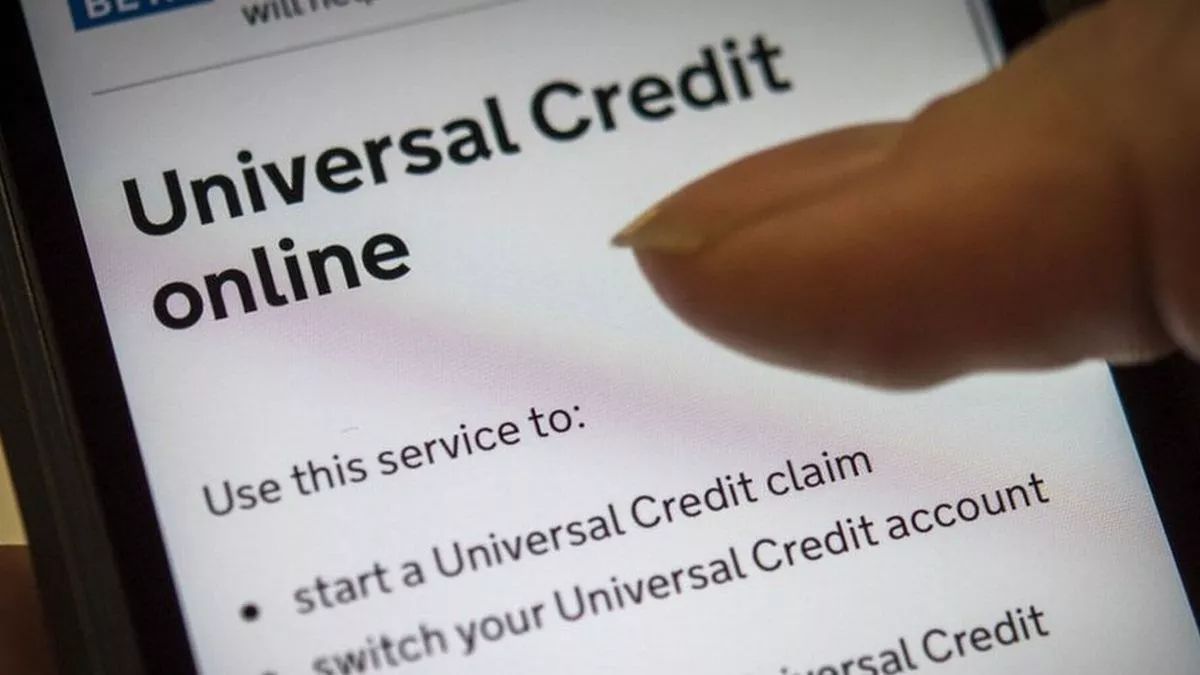
The quickest way is to sign in to your Universal Credit online account and report the change directly. It’s easy, and it keeps a record of what you’ve told the DWP and when.
If you have a work coach, they may follow up with questions or request supporting documents, depending on what’s changed.
Self-Employed? Read This
If you’re self-employed, you’re responsible for reporting your monthly income and expenses to the DWP. Your earnings can directly affect how much Universal Credit you get.
Even if business is slow or your income varies month to month, it’s still your duty to update the system. If you under-report or forget to log it, it could lead to an overpayment or investigation.
What Happens If You Don’t Report a Change?
If you fail to report a change—or provide false information—here’s what could happen:
- You may have to repay any overpayments
- You could face a financial penalty
- In serious cases, you might be taken to court
According to DWP guidance: “You could be taken to court or have to pay a penalty if you give wrong information or do not report a change in your circumstances.”
It’s not worth the risk. Even something as simple as changing your phone number or going abroad for a short time can affect your claim.
Overpaid? What Now?
If you’ve received too much Universal Credit, the DWP will likely send you a letter or message through your online account explaining the overpayment. You’ll usually need to arrange a repayment plan.
You may still be expected to repay even if:
- You didn’t realise you had to report a change
- The overpayment was caused by a mistake
- You no longer receive Universal Credit
The DWP can take the money directly from your future benefits or ask you to repay it through another method.
Stay Safe: Keep Your Details Up to Date
To avoid issues:
- Log in to your Universal Credit account regularly
- Report any changes as soon as they happen
- Keep an eye on messages from your work coach or the DWP
- Ask for help if you’re unsure about what to report
The system is designed to adjust with your circumstances, but only if you tell them.
FAQs
Do I need to report changing my phone number?
Yes, changes to contact details must be reported to DWP.
What if my rent increases?
You must report rent changes to ensure accurate housing payments.
Will going abroad affect my Universal Credit?
Yes, travel outside Great Britain must be reported immediately.
Can I be fined for not reporting a change?
Yes, you may face penalties or court action.
How do I report a change to DWP?
Sign in to your Universal Credit online account to report changes.